An affordable e-bike for off-the-beaten-path travel should have enough battery range for the planned route, stable tires for changing surfaces, reliable brakes, a motor that can handle moderate hills, and components that remain practical to maintain.
It does not need to be the fastest or most powerful bike available.
For most travelers, the better choice is a bike that can move comfortably between paved roads, broken village streets, gravel paths, campground roads, and easy trails. It should also be manageable when the motor is switched off and realistic to transport, store, and charge.
That last point matters. The road to a quieter destination may be beautiful, but it may also have fewer repair shops, charging outlets, signs, and transport alternatives.
What Does Off-the-Beaten-Path Travel Mean for an E-Bike?
Off-the-beaten-path riding does not automatically mean technical mountain biking.
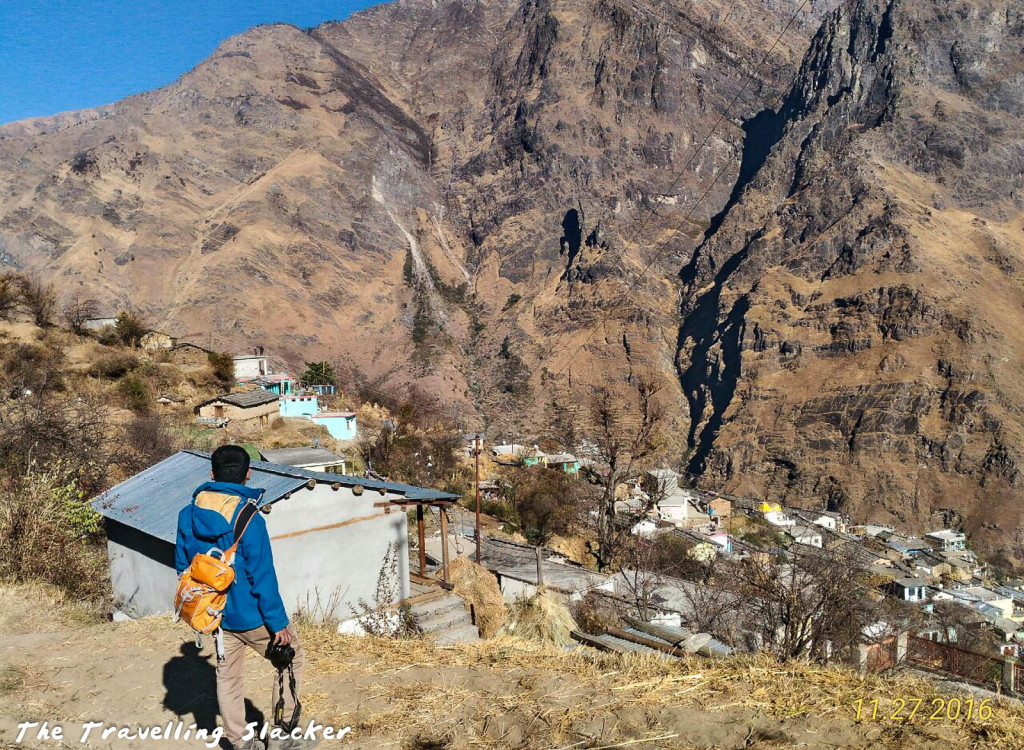
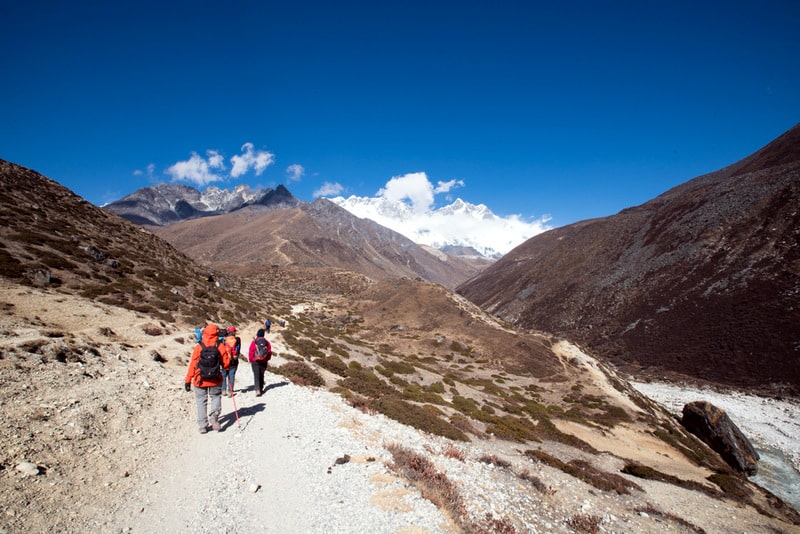
It may involve exploring a small town beyond the bus stop, riding from a campsite to a lake, following an unpaved farm road, reaching villages outside the main tourist center, or connecting several nearby viewpoints without hiring a car.
These routes can include:
- Rough or patched pavement;
- Compact gravel;
- Short dirt-road sections;
- Moderate climbs;
- Loose stones;
- Limited charging options;
- Weak mobile signals;
- Fewer repair services.
A bike suitable for this type of travel needs versatility rather than extreme performance. Full-suspension mountain-bike equipment may be unnecessary, while narrow city tires may feel unstable once the pavement ends.
Before choosing a model, decide whether your planned routes are ordinary roads with rough sections or genuine technical trails. These are not the same type of riding.
How Much Should You Spend on an Affordable E-Bike?
Affordability should be measured by the total cost of using the bike, not only its purchase price.
A low-priced model can become expensive if it needs immediate upgrades, uses hard-to-find components, or does not have replacement batteries available. Travelers may also need to budget for a strong lock, luggage bags, a helmet, repair tools, spare tubes, and a vehicle rack.
A good affordable electric bike should provide the essential features for the intended route without charging you for equipment you will rarely use.
Before buying, check:
- Battery and charger availability;
- Warranty coverage;
- Replacement tires and brake pads;
- Compatibility with racks or panniers;
- Access to customer support;
- Whether ordinary bicycle shops can service the mechanical parts.
The cheapest option is not good value if one minor fault ends the trip.
How Much Battery Range Do You Need?
Choose enough range to complete the expected ride with at least 20% to 30% remaining.
Advertised range is generally based on favorable conditions. Actual distance can decrease when the route includes hills, wind, soft ground, heavy luggage, low temperatures, or frequent use of high assistance.
For example, a 25-mile route with repeated climbs may consume more battery than a longer ride on flat pavement.
Before leaving, divide the ride into three parts:
- The distance to the farthest point;
- The distance required to return;
- A reserve for detours, missed turns, and changing conditions.
A removable battery is useful because it can be carried into a room or charging area without moving the entire bike. However, travelers should confirm charging access in advance. A café, guesthouse, campground, or visitor center may have an outlet, but that does not mean it is available for public use.
What Motor Power Is Useful on Rural Roads?
Motor power becomes useful when the route includes inclines, headwinds, cargo, or frequent starts on uneven ground.
A 500W motor may be enough for flatter routes. A 750W system can provide more support for moderate climbs and loaded riding, although performance also depends on the controller, bike weight, battery, wheel size, and rider weight.
Do not judge climbing ability by wattage alone.
A more powerful motor will also consume energy faster when used continuously at a high assistance level. On a remote route, it is better to use lower assistance on easy sections and save stronger support for hills or soft surfaces.
The bike should still have usable gears. Changing to a lower gear before a climb can reduce strain on both the rider and the electrical system.
Are Fat Tires Better for Off-the-Beaten-Path Travel?
Fat tires can improve stability and comfort on broken pavement, gravel, dry dirt, and other loose surfaces.
Their larger air volume helps absorb smaller bumps, while the wider contact area can make the bike feel more planted. This is useful when a route changes repeatedly between smooth and uneven ground.
However, a fat tire electric bike also has trade-offs:
- It is generally heavier;
- The tires create more rolling resistance;
- Replacement tubes and tires occupy more luggage space;
- It may require a wider vehicle rack;
- It can be harder to pedal after the battery is depleted.
Fat tires make sense when rough roads are a regular part of the trip. They are less important when almost every journey takes place on smooth pavement.
They also do not make a commuter-style e-bike suitable for steep drops, jumps, deep mud, or technical mountain-bike trails.
What Type of Suspension Is Enough?
Front suspension is sufficient for many mixed-surface travel routes.
An adjustable fork can soften repeated impacts from potholes, stones, washboard gravel, and uneven village roads. Full suspension provides more control on demanding terrain, but it also increases price, weight, and maintenance.
For casual exploration, campground roads, and light trails, a front-suspension bike is often the more economical choice.
Suspension travel should still match the route. It improves comfort, but it cannot compensate for poor braking technique, excessive speed, or a route that is beyond the bike’s intended use.
Which Brakes Should You Look For?
Disc brakes are preferable for an e-bike that may carry luggage and travel on hilly or changing surfaces.
Mechanical disc brakes can provide dependable stopping power and are relatively straightforward to adjust. Hydraulic systems generally require less hand pressure and can offer a smoother lever feel, but they may be more complicated to repair without the correct tools.
Whichever system you choose, brake condition matters more than the label.
Before each longer ride, inspect:
- Brake-pad wear;
- Rotor alignment;
- Lever response;
- Tire condition;
- Wheel security.
Long descents require extra caution. Use both brakes progressively and stop periodically if braking performance begins to change.
How Important Is Bike Weight?
Bike weight becomes most noticeable when the battery is empty, the road is blocked, or the bike must be loaded into a vehicle.
Fat tires, a larger battery, suspension, and a reinforced frame can make an e-bike substantially heavier than a standard bicycle.
Before buying, consider whether you will need to:
- Carry it upstairs;
- Lift it onto a hitch rack;
- Push it over a damaged road;
- Move it through a guesthouse;
- Load it without assistance;
- Transport it on public transit.
A heavy bike may feel stable while riding but become difficult to manage during a transport problem.
For car-based trips, confirm that the vehicle rack supports the full bike weight and tire width. Removing the battery before lifting can reduce some weight, but it will not turn a full-size fat-tire model into a lightweight bicycle.
What Is a Good Affordable E-Bike for Off-the-Beaten-Path Travel?
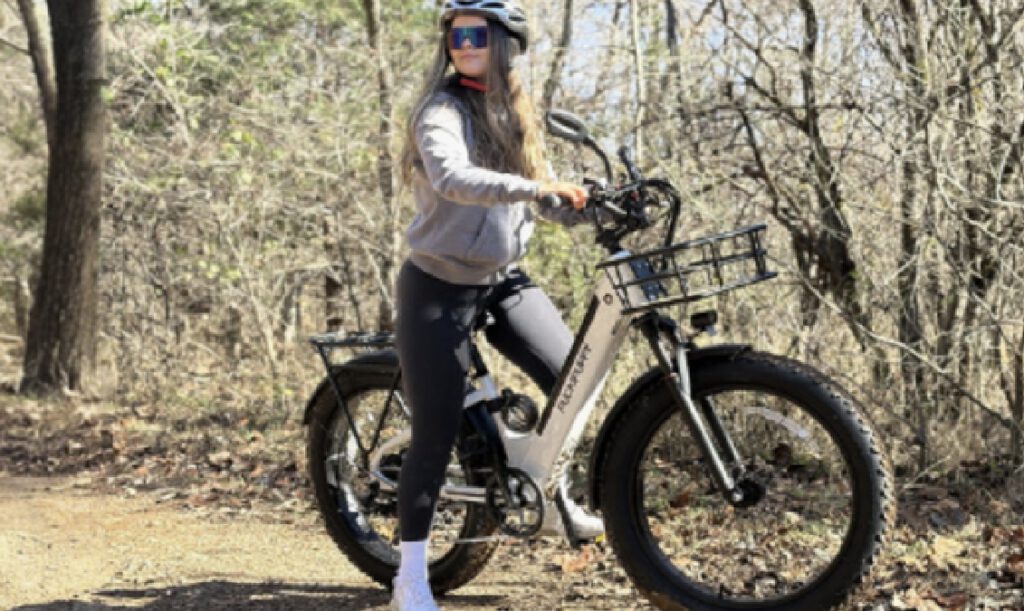
The Puckipuppy Samoyed is suitable for travelers who expect a mixture of paved roads, rough city streets, compact gravel, campground roads, and light recreational trails. It is not designed for technical mountain biking or highly isolated expeditions.
The bike uses a 750W motor with a listed peak output of 960W. Its removable 48V 15Ah battery provides a manufacturer-stated range of approximately 35 to 60 miles, while pedal assistance can reach 28 mph and throttle operation is listed at up to 20 mph.
Its 26-by-4-inch fat tires provide a wider contact area for rough pavement and gravel, while the 110mm adjustable front suspension fork helps reduce repeated impacts. It also has a step-through aluminum frame, Shimano seven-speed gearing, 180mm mechanical disc brakes, a listed 350-pound load capacity, and a total weight of 75.8 pounds.
These features make the Samoyed a practical value-oriented option for riders who want more surface stability than a narrow-tire city bike without paying for a specialized full-suspension mountain e-bike.
The step-through frame also makes it easier to mount when the rear of the bike is carrying bags. The removable battery is useful at guesthouses or campsites where the entire bike cannot be placed near an outlet.
The main limitation is its weight. At 75.8 pounds, it is better suited to road trips with suitable vehicle transport than to journeys involving stairs, frequent train changes, or carrying the bike across obstacles. Its mechanical disc brakes also require regular adjustment and careful speed control on long descents.
For the right route, the Samoyed offers a sensible combination of motor support, mixed-surface tires, front suspension, accessible frame geometry, and everyday range. It should be viewed as an affordable mixed-terrain travel bike—not as a substitute for a technical trail bike.
How Should You Plan a Remote E-Bike Route?
Start by checking the entire route rather than only the destination.
Offline maps are useful, but they may not show recent landslides, seasonal closures, private property, damaged bridges, or restrictions on motor-assisted bicycles. When possible, confirm the route with local residents, accommodation owners, land managers, or official visitor information.
Before departure:
- Download an offline map;
- Check the total elevation gain;
- Identify possible charging points;
- Mark shorter return options;
- Check weather and road conditions;
- Carry water and basic food;
- Pack a tube, pump, patches, and suitable tools;
- Tell someone where you are going.
Do not assume that every hiking trail, forest path, or protected area allows e-bikes. Access rules may vary by route and local authority.
What Should You Carry?
A basic travel repair kit should match the actual bike.
For a fat-tire model, that may include a compatible inner tube, tire levers, a pump capable of reaching the required pressure, a multi-tool, patches, and the correct wrench sizes.
Also carry:
- The battery key;
- A charged phone or power bank;
- Offline directions;
- Water;
- A lightweight rain layer;
- Basic first-aid supplies;
- A strong lock;
- Emergency contact details.
The farther you travel from the main road, the less useful it is to carry tools you do not know how to use. Practice removing a wheel, repairing a puncture, and adjusting the brakes before the trip.
Choose the Bike for the Road You Will Actually Ride
The best affordable e-bike for off-the-beaten-path travel is not the model with the most dramatic specifications. It is the one that can cover the required distance, remain stable on the expected surfaces, carry essential gear, and return without depending on ideal conditions.
Buy for the route in front of you, keep enough battery in reserve, and leave room in the itinerary for the unexpected detour. That is often where the better journey begins.

#Himalayas & #Northeast
Cinephile, Misanthrope, Anti-selfie
Atlas Obscura/Mint/Discover India