
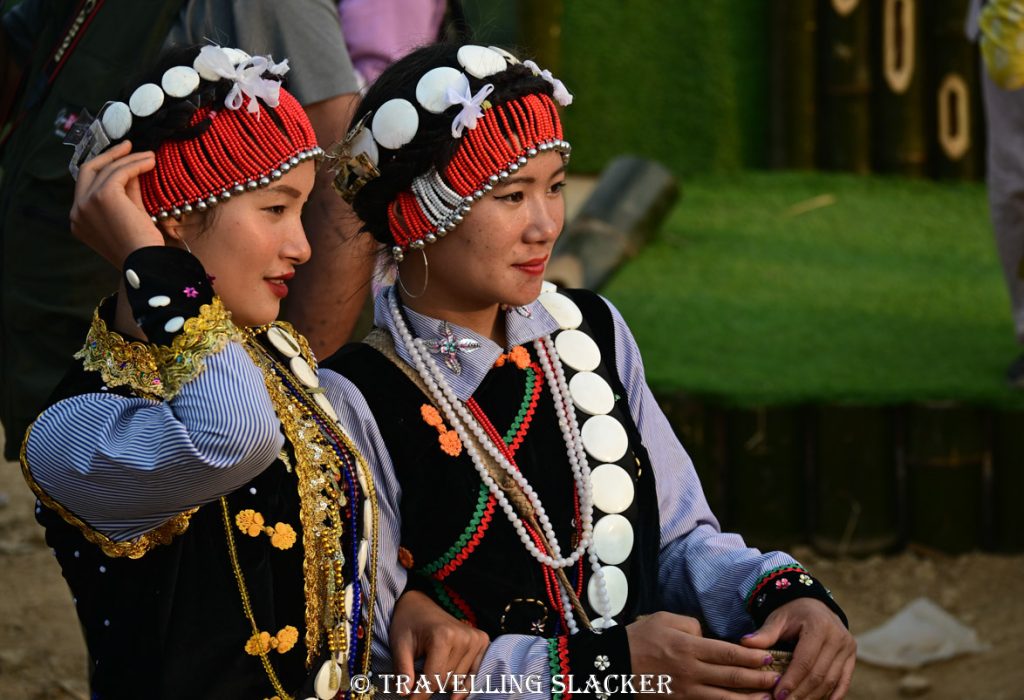
Pangsau Pass is a name that I probably heard only a few years ago when I started exploring Arunachal. However, it is part of the iconic Stillwell Road (Ledo Road) that I have known since my school days. My first encounter with it was through a newspaper article by Parag Das about the economic potential of the eastern markets. He got assassinated soon but that’s a different story and a different era when tourism was non-existent in the region due to a poor law and order scenario.
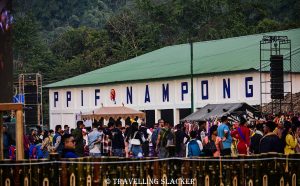
While the Ledo Road was built hurriedly during World War II by the Allied forces, this route over the Patkai has long been busy, and many ethnic groups in this region reached India by crossing these mountains. This place eluded me for several years and finally, things fell into place this time as the Pangsau Pass International Festival (PPIF) was announced in January.
Guwahati to Margherita: The Land of Black Gold
The festival ground is located near the town of Nampong, around 15 KMs before the actual Pangsau Pass. It is a small place with not too many stay options, so we decided to arrange our stay in Margherita, Assam, and make a day trip.
We’d booked a train from Guwahati to Tinsukia and hired a car from there for the rest of the trip. We started from Guwahati at night and met the driver outside the New Tinsukia Junction early in the morning. We reached our hotel at Margherita much before the official check-in time, but thankfully, the rooms were empty, and so we were allotted the rooms quickly. After some rest, we choose to take a slow drive to Miao in Arunachal, on the edge of Namdapha National Park, passing through some historic towns.
This area of eastern Assam got a new lease of life at the end of the 19th century as the British discovered coal and petroleum in the region, adding to the already burgeoning tea plantations. I passed through this area back in 2013 while visiting the Namdapha National Park. The road existed only till Jagun, and the rest of it was a nightmare. However, things have improved since then, and the small town of Miao has become a tourist hotspot.
The original plan, in fact, was to stay in Miao and make it the base for the trip, but we planned a bit too late, and there was some difficulty in finding accommodation. Anyway, we quickly passed through the familiar path lined with tea gardens, quaint villages, and vestiges of peak colonial entrepreneurship. As a matter of fact, Margherita, where we were staying, was a hub of coal trade along with nearby Ledo. Margherita also has a Coal Museum, but we never managed the time for it.
The Colliery of Tipong is something I’d heard of and wanted to visit. I checked the map and saw the road branching out from the highway towards Tipong village. Tipong Colliery is a historic underground coal mine. It is known for being one of the oldest operating collieries in India and famously used British-built steam locomotives running on a narrow gauge line from the early 20th century.
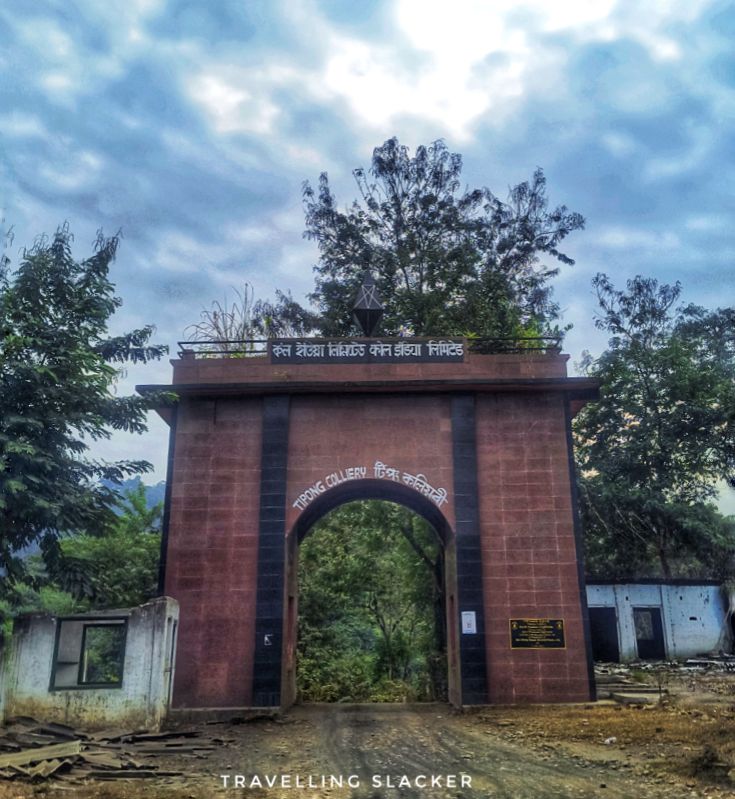
The car slowed down due to the bumpy road, and it took ages before we reached the gate. There was no one, and I think we timed it wrongly and so failed to spot the locomotive too, although we saw the railway lines and also some small bridges over hilly streams. After almost 40 minutes, we reached a place with a few houses and shops where the locals asked us to park the car and walk ahead to see the JCBs in action.
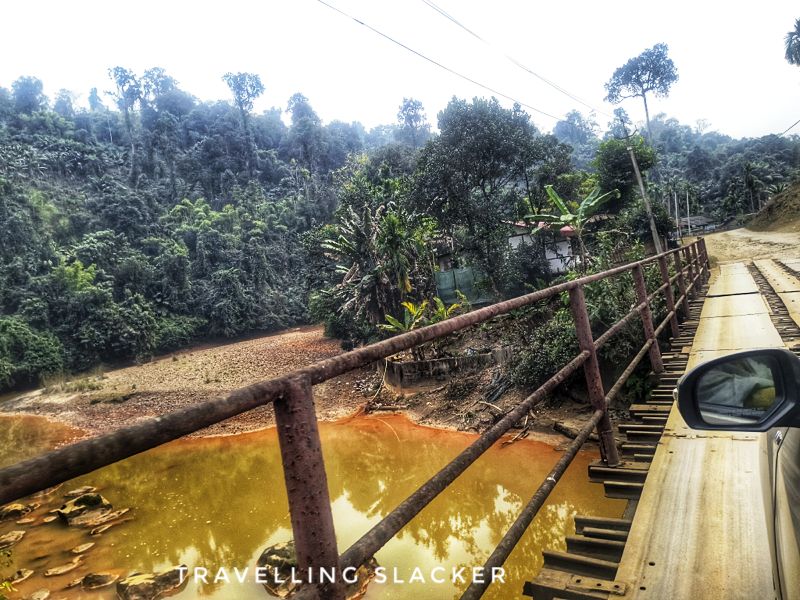
Now, if you are not familiar with India social media sphere then you probably won’t understand the reference but JCBs suggestively digging anything is considered peak male content here. We did find two JCBs digging coal. We also found some local women who apparently come here to pick leftover pieces of coal for personal usage.
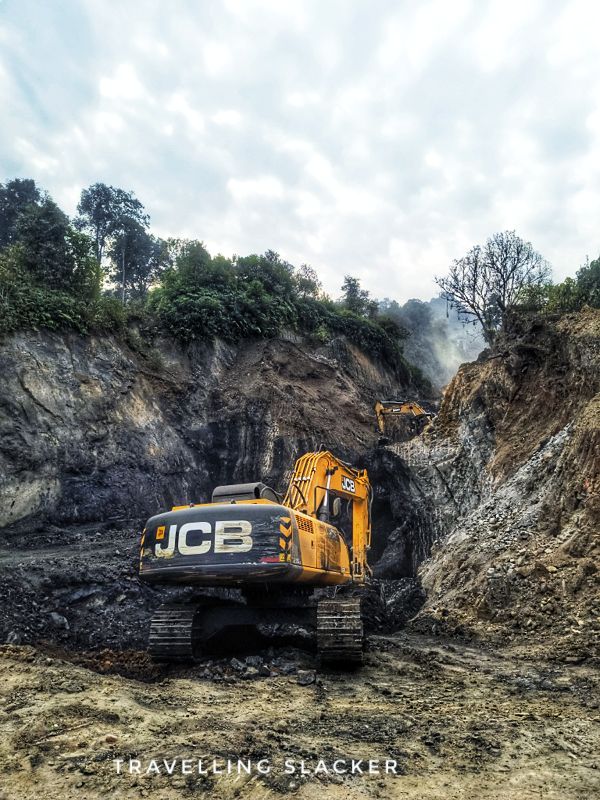
After spending some time ogling the JCBs, we returned to the highway and drove forward to cross the Arunachal border and enter Miao. My memory of Miao was that of a nearly impregnable outpost linked with a hostile road. However, everything seemed smooth now, and although we had no plans to enter Namdapha this time, we decided to go to just enjoy the views and have lunch somewhere if available.
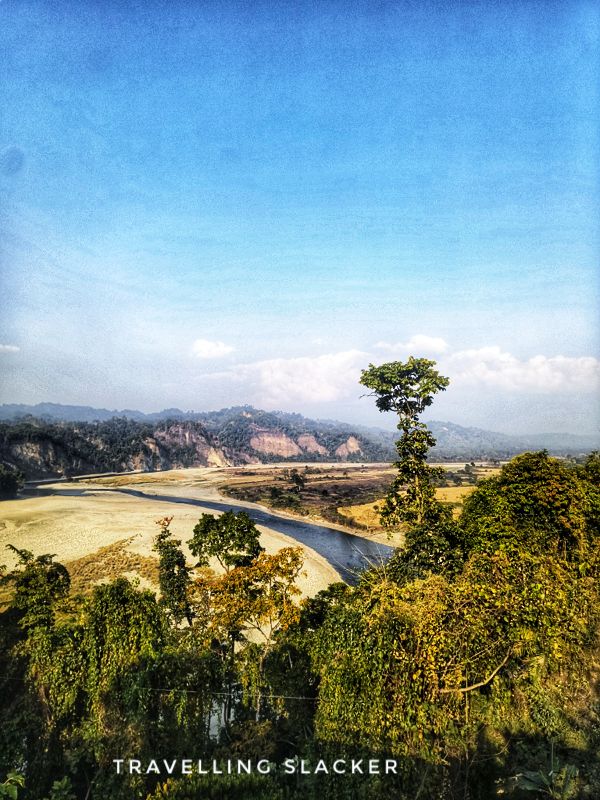
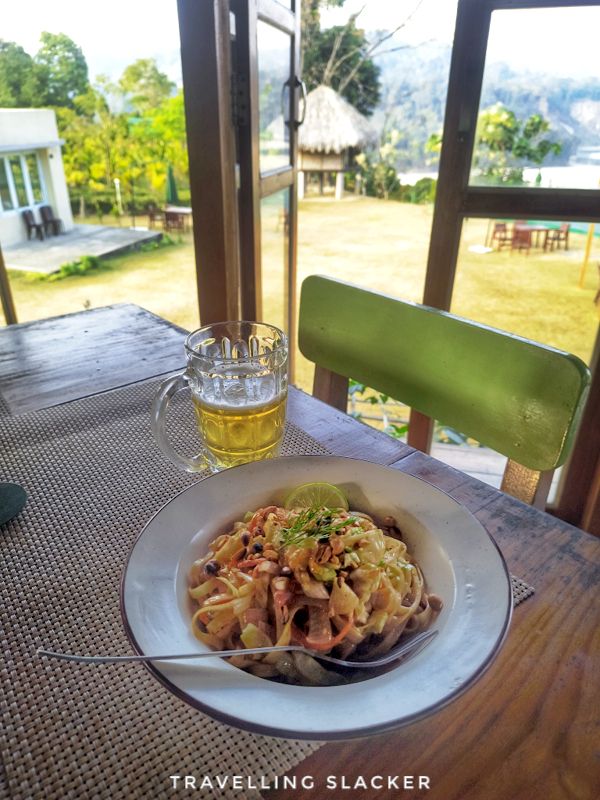
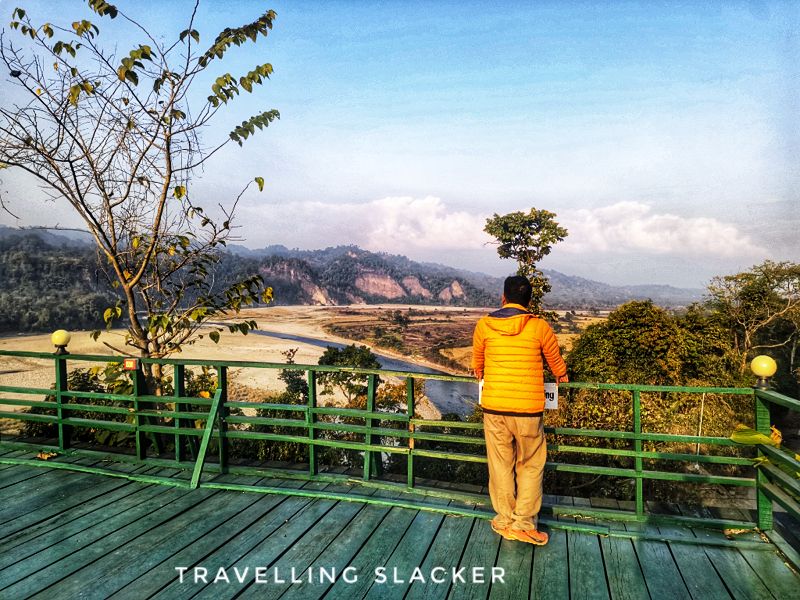
We soon found out a newly built resort at the outskirts of the town. One couldn’t even dream of a place like this back in 2013. Anyway, we ordered some Burmese-style noodles and a beer and also quickly figured out that it is located on the edge of the jungle with great views of the Noa Dihing River.
After spending a few hours at the resort, we drove back to our hotel by dark (it gets dark quickly in the easternmost parts of India).
Jairampur War Cemetery
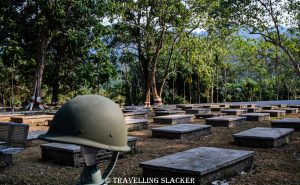
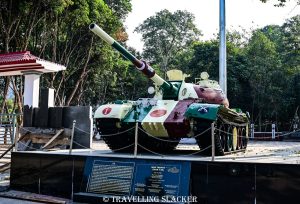
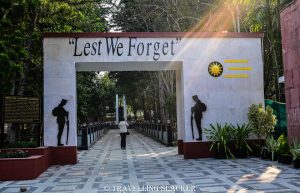
We left as early as possible and soon crossed the state borders. I’d heard of the WWII Cemetery in Jairampur while visiting other WWII Cemeteries in the Northeast and it happened to be on our route to Pangsau. We got there pretty quickly, but I was in for a pleasant surprise. I’d heard that it was in a dilapidated condition but recently it has been cleaned up and renovated. Do note that it is located right on the Ledo Road, making it a fitting tribute to those who lost their lives while building it.
Pansaung Border Market: Touching Burma
We moved on quickly, and I was pleasantly surprised by the smooth road. We reached Manmao after an hour or so and reached the festival ground built atop a flattened hillock. Most people were still sleeping at that point, and the activities were likely to start only towards the afternoon. So, we decided to visit the Pangsau border first. We were still not sure about the process of visiting it and if anything was available for us to see at all (there’s always conflicting information available on such areas ).
After sometime we met a point where we had to register the car and move on. Now, the road continues into Myanmar and beyond here but tourists can’t go beyond a point. A lot of vehicles were already accumulated there. We also stopped there and figured out that we’d have to hike up a higher area by taking a small detour from the main road to reach the border market.
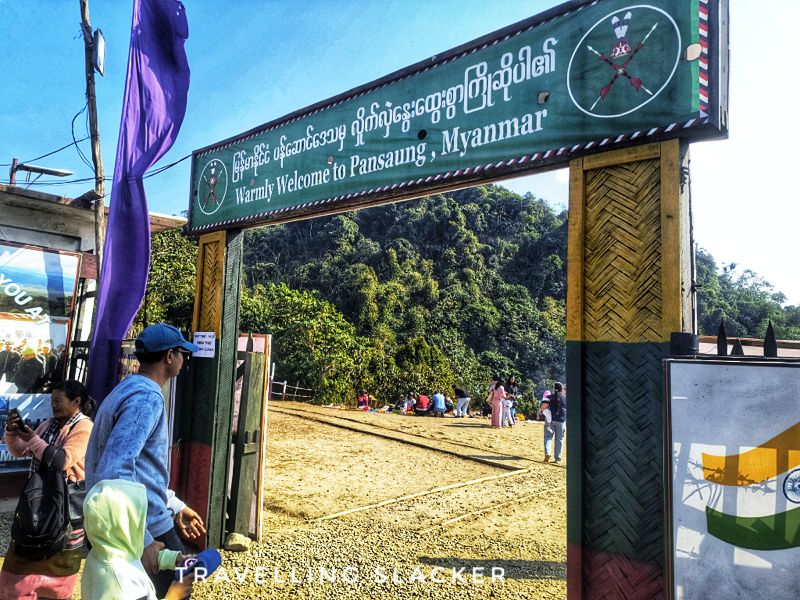
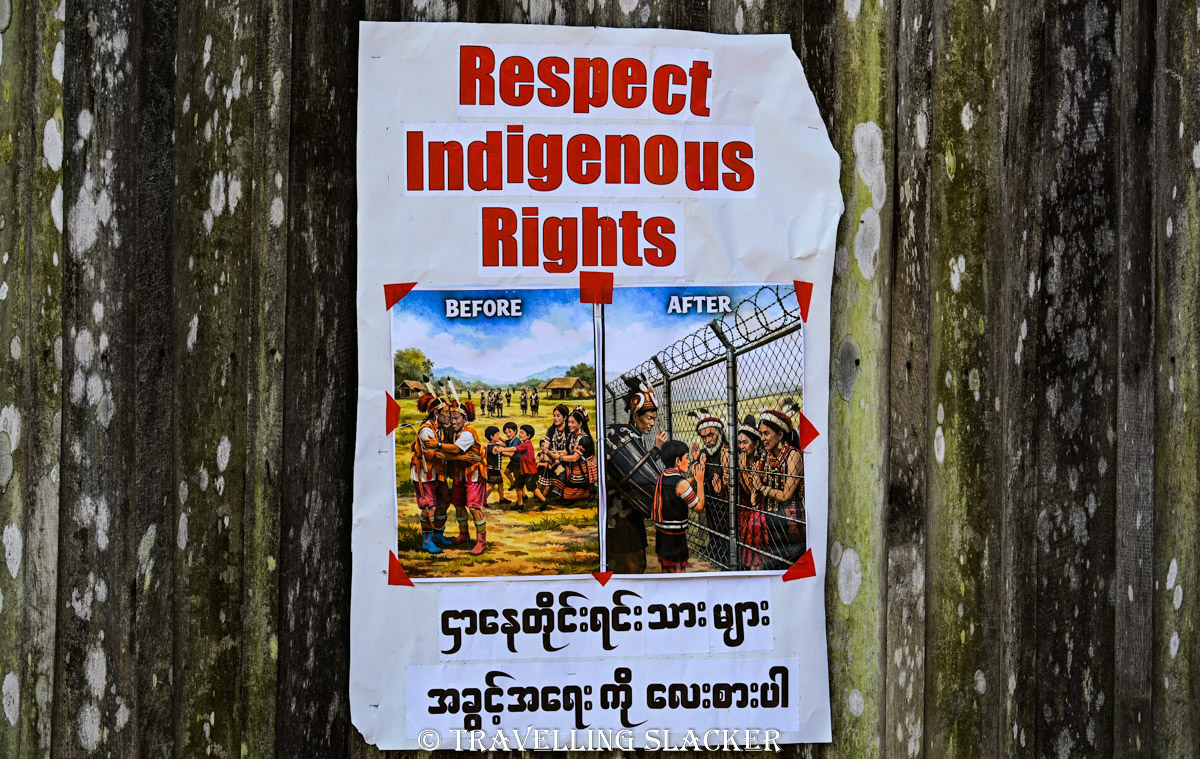
It was sort of a short hike of around 500 meters till we reached the marketplace. So, this marketplace is located on both sides of the border, but the interesting part for Indians is on the other side. This market only opens on certain days, and that too depends on the authorities and the situation. The people on both sides, although are connected, and one could see those emotions on a poster demanding unification of these areas. It may be difficult to understand if you are coming from other parts of India but these complex issues that requires measured approach.
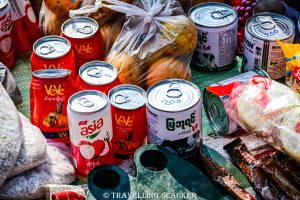
So, the market is dominated mostly by women from the Burmese side selling stuff, including small agricultural products like fingers, oranges, as well as packaged goods like juices, beer, cigarettes, and snacks manufactured in Myanmar and Thailand.
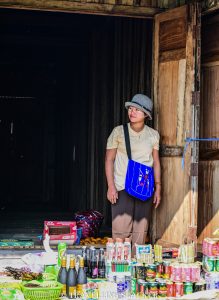
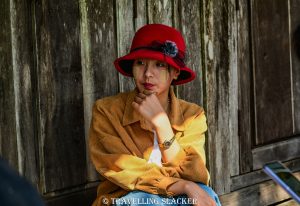
The women from the other side were also quickly identifiable by the sandalwood paste they applied to their faces to protect from the sun (it was indeed very sunny and hot).
The Lake of No Return
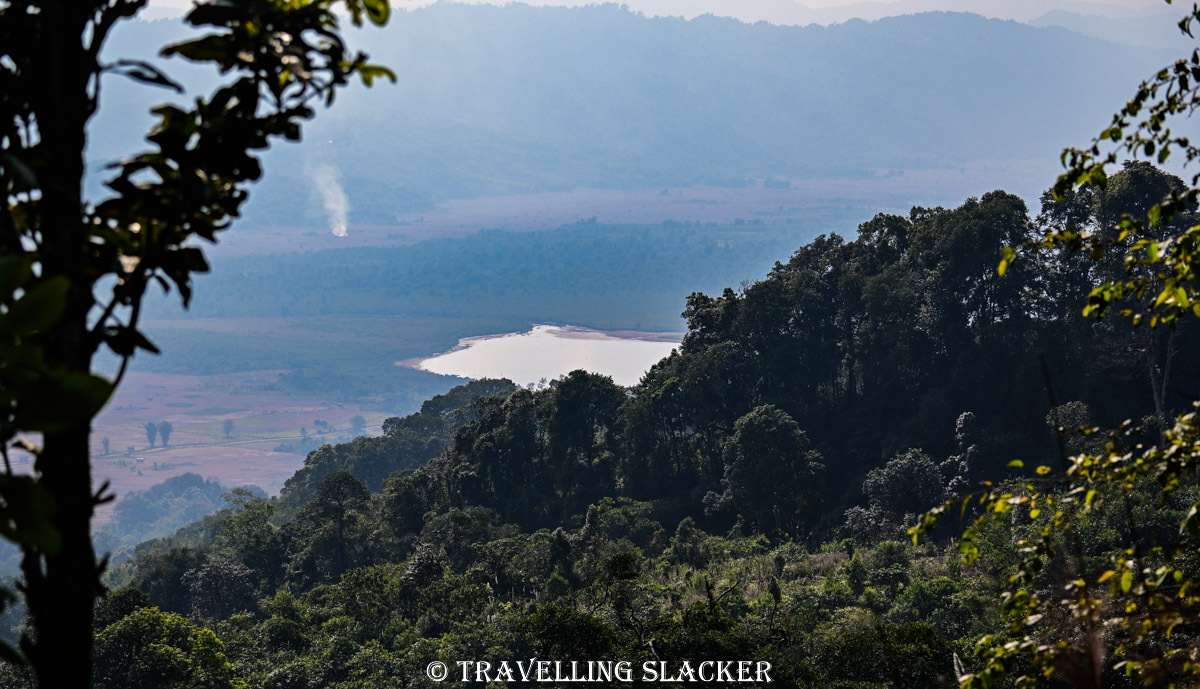
We spent a couple of hours roaming around the market, soaking in the sights and sounds. It was quite a large area, and after a point we reached a point from where one could see the iconic Lake of No Return (Naung Yang Lake). This name primarily stems from the Allied pilots who flew into tehse difficult terrains but never managed to return (Even now downed WWII era aircrafts keep getting discovered in this region).
It was a bit far but clearly visible. During good times one could trek down for a few hours through the Myanmar villages to reach it but I did not see any such options this time. One woman was selling deep-fried sticky rice fritters nearby. We enjoyed some of them and moved on to explore the rest.
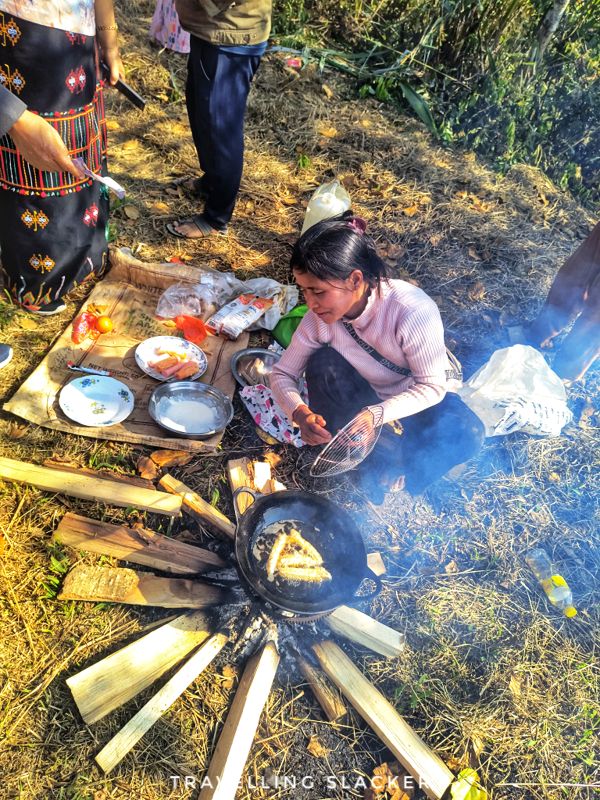
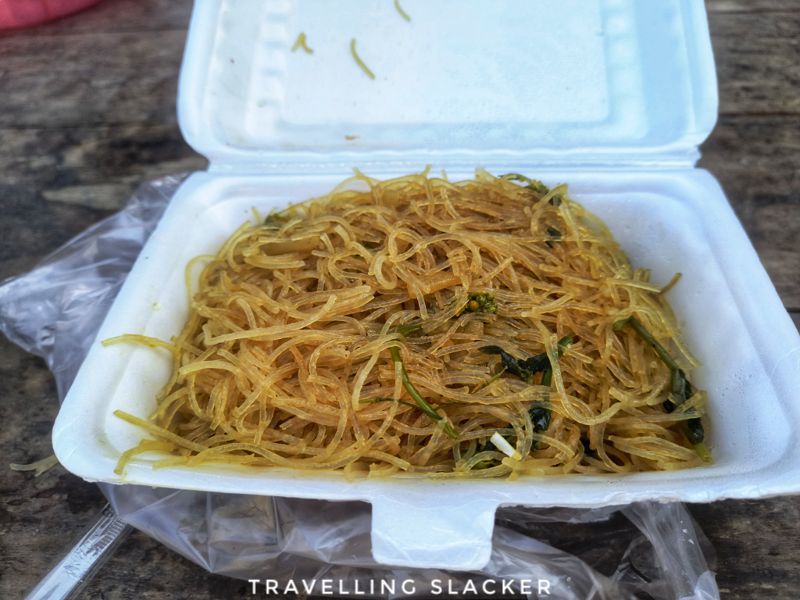
There were many food stalls too and at one point, I bought some packaged cold noodles with green papaya. At another spot my friends sat down for a heavier meal and I also used that spot to enjoy my noodles with some Burmese beer. One thing that still remained unfulfilled for me was the classical view of the Stillwell Road. Probably one has to go deeper to get this view, which is not possible for average tourists.
The Pangsau Pass International Festival
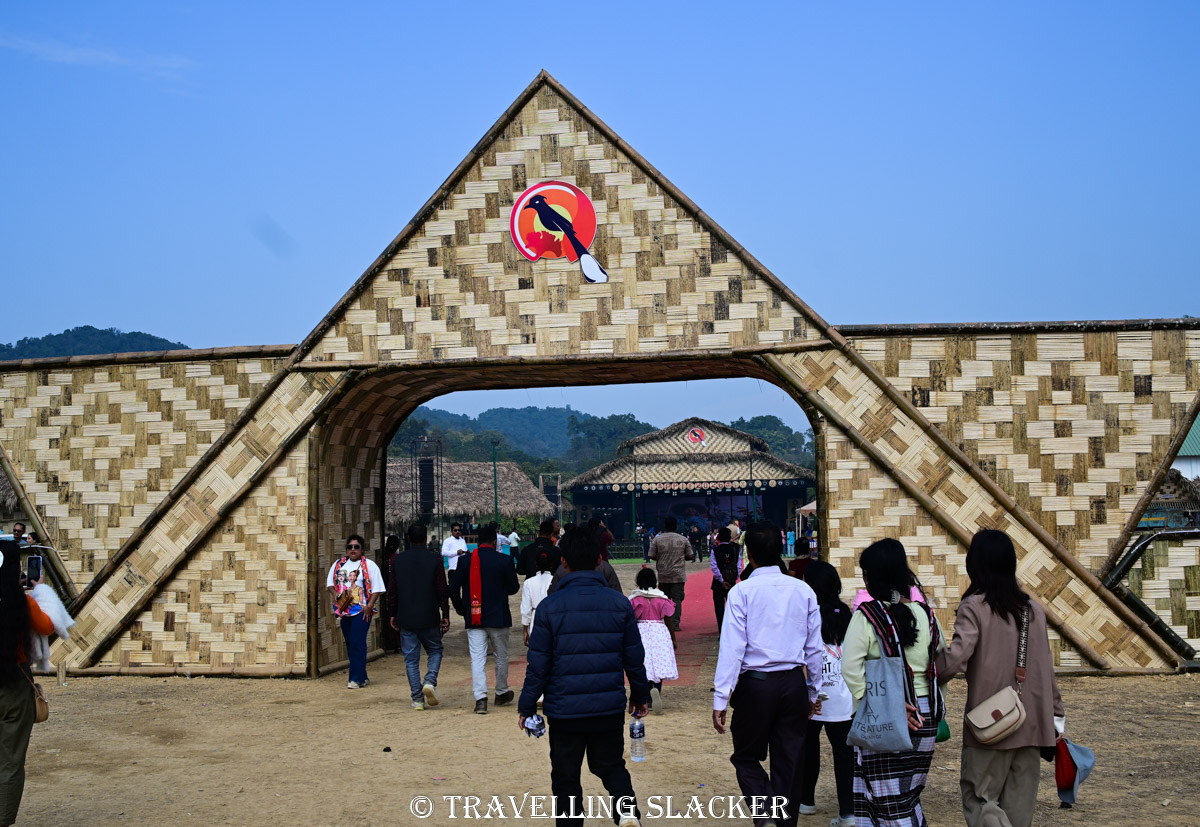
We drove back to the festival grounds in the afternoon. It was finally beginning to come to life. I think Arunachal has figured out a template for these festivals, as all of them follow similar aesthetics and structure, and the only difference is due to the different ethnic groups present in each region. For this particular region, we have the Tangsas as the dominant ethnic group but it also has several sub-groups that can confuse someone who is new to Arunachal.
In the festival also, we saw groups such as Tikhak, Havi, Ponthei, Muglong, Jugli, Kimsing, Ngaimong, etc., having their own cultural troupes. Tangsas are a Naga group and close to other nearby groups lile Tutsas, Noctes, and the famous Konyaks of neighboring Nagaland. Naturally, many of them were also carrying locally made guns and firing in the air during their respective war dances.
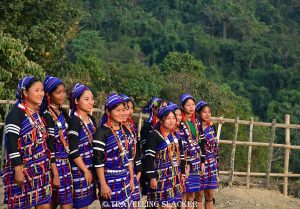
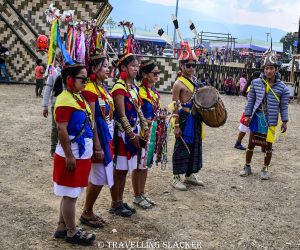
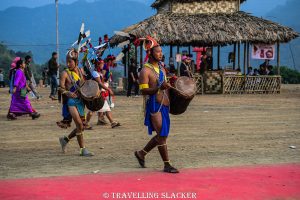
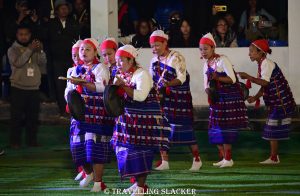
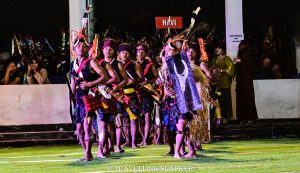
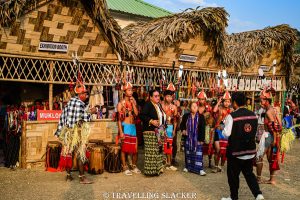
Apart from these groups, the most striking and well-dressed group was that of Lisus (Yobins).In fact, most other professional photographers were also hovering around them. Lisus traditionally live deep inside the areas around and beyond the Namdapha National Park and adjacent areas of Myanmar.
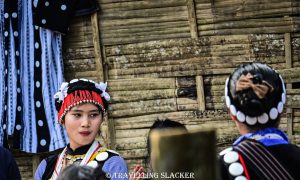
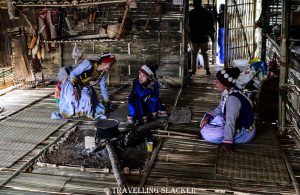
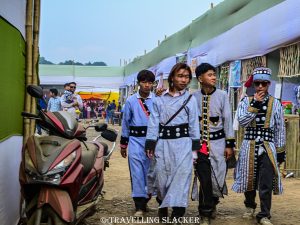
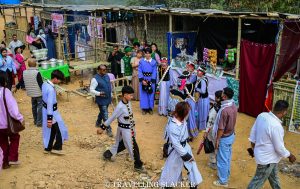

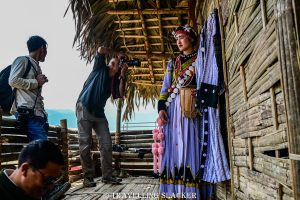
Yet another group with a cultural troupe was that of Gurkhas of Nepali origin. This may sound confusing, but not actually so. Many of them are from military background and have settled down in the newly discovered and reconnected areas of Vijaynagar circle of Namdapha. It is a fascinating story as these few inhabited villages remained unknown for decades after independence, and only in the 60s an expeditionary team of Assam Rifles found them again and re-established connection with the rest of the country. Until recently, the only way was to reach it was through choppers or hike for several days through the jungle. However, now the road has been built.
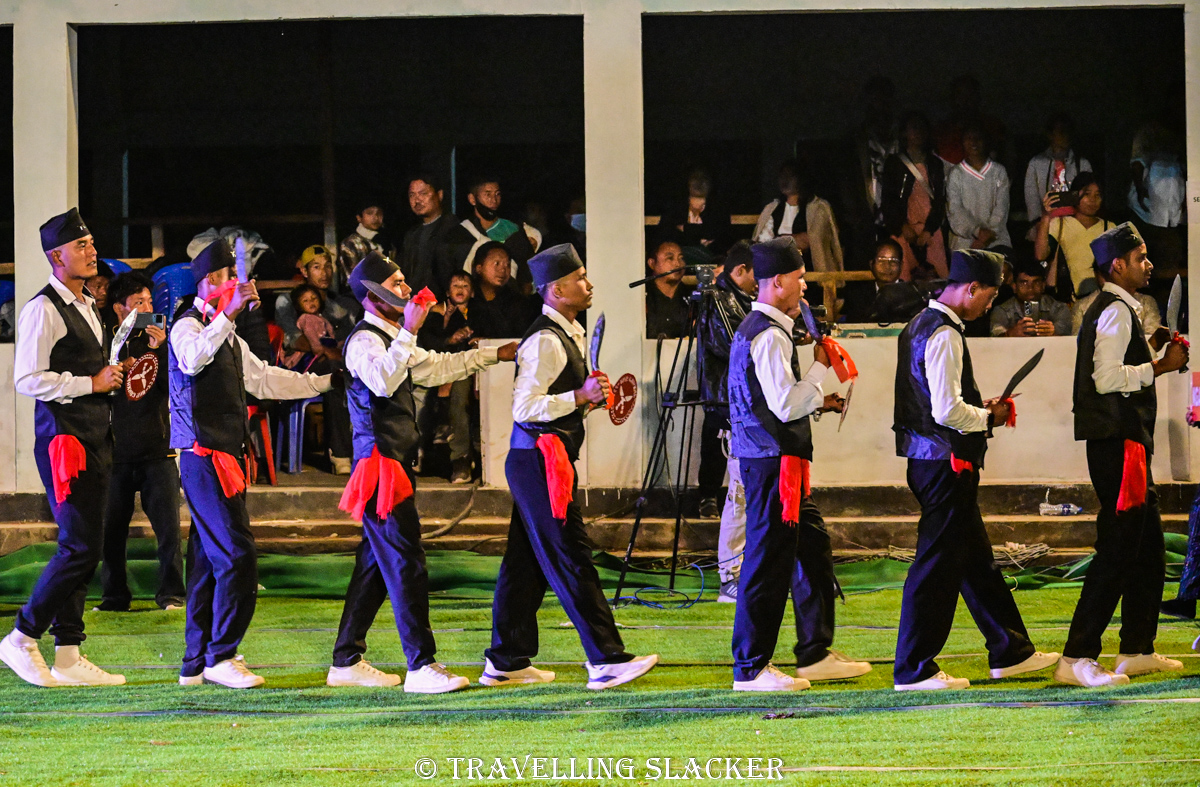
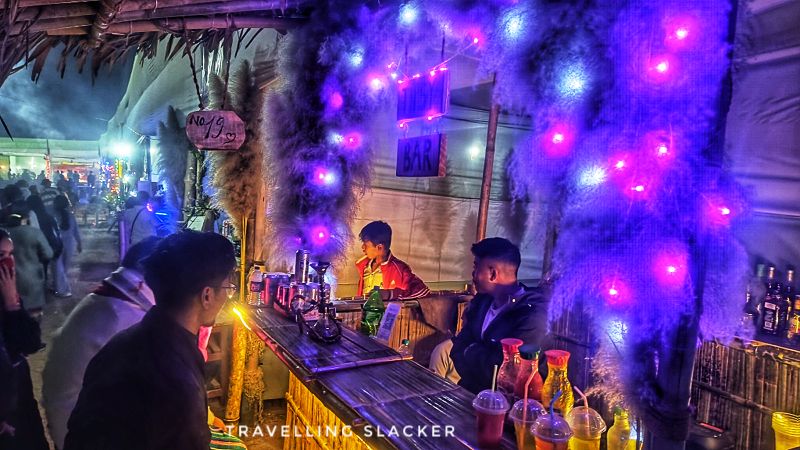
The cultural programs were lined up for the night. We witnessed a few traditional dance performances but gave up on the Miss PPIF beauty pageant as we were worried about returning back to Margherita, and there was a huge commotion at the entry gate due to huge inflow of visitors. However, this was not before we had some good rice wine at one of the numerous stalls set up near the festival ground.
Day 3 The Return
We didn’t have any clear plan for this day. The return train to Guwahati was at night. So, in order to make the most of this free day, we checked out of the hotel and drive towards Maguri Beel, a large water body adjacent to the Dibru Saikhowa National Park near Tinsukia.
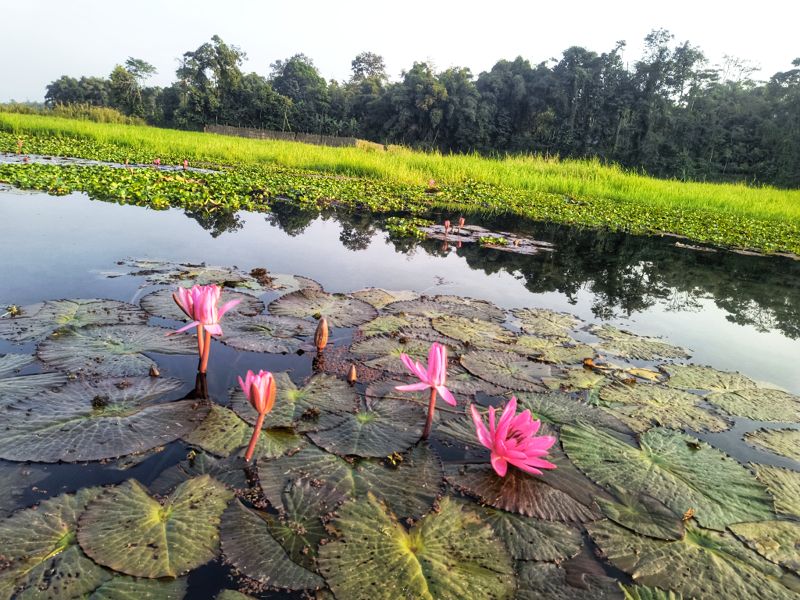
I’d visited the Dibru Saikhowa National Park in 2013 along with Namdapha, but skipped Maguri. This is a natural spot for water birds and attracts many migratory birds in the winter. We were not exactly sure where to find the guides and boats here but we got a tip to reach a newly built resort overlooking the lake.
It took some time to find the spot but eventually we got there. It was still partially under construction but they were offering food and the some local guides were available too. One of them suggested we also take a detour to nearby Barekuri Village famous for hoolock gibbons. Since we had the whole day and it was too sunny for boatride, we decided to give it a go.
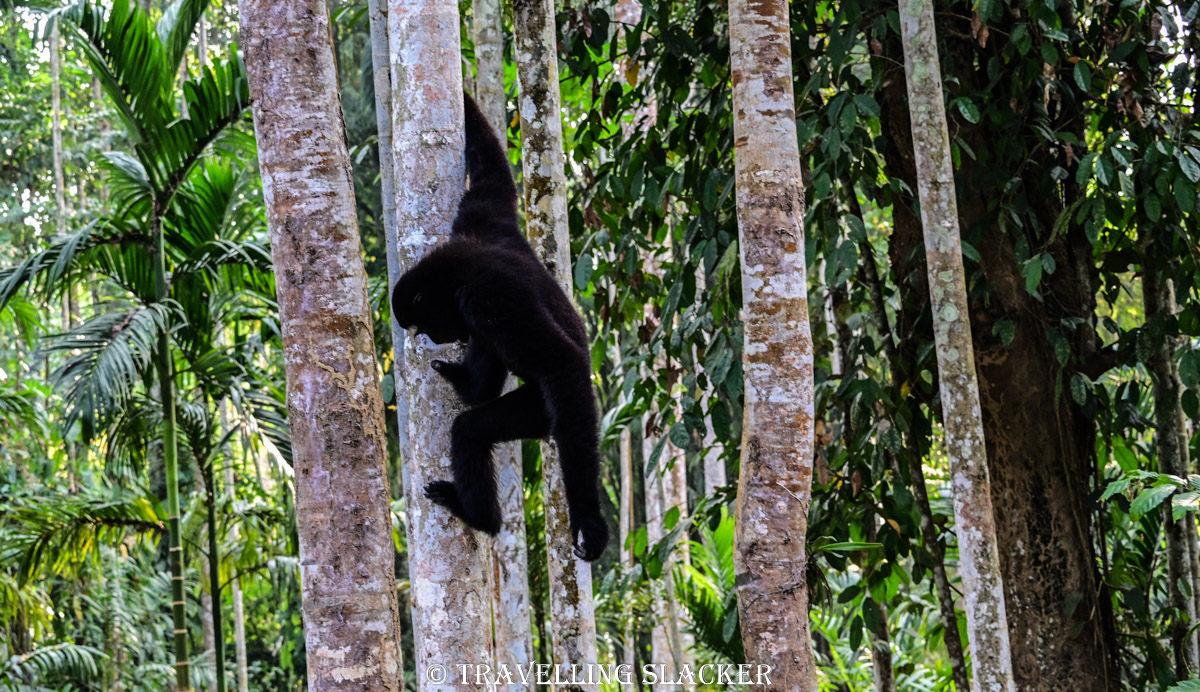
Although gibbons are wild animals, they are intelligent apes and generally develop bonds with humans if they live nearby. We drove for around half an hour to reach one household that has been deeply involved in this process. One small family of vinbon was jumping from one tree to another. The person called them, offering a banana and they came close and we managed to take some photographs easily. Here it must be noted that you are not supposed to carry and offer food from outside s it may be risky for the gibbons. They are familiar with the locals who offer only locally grown stuff.
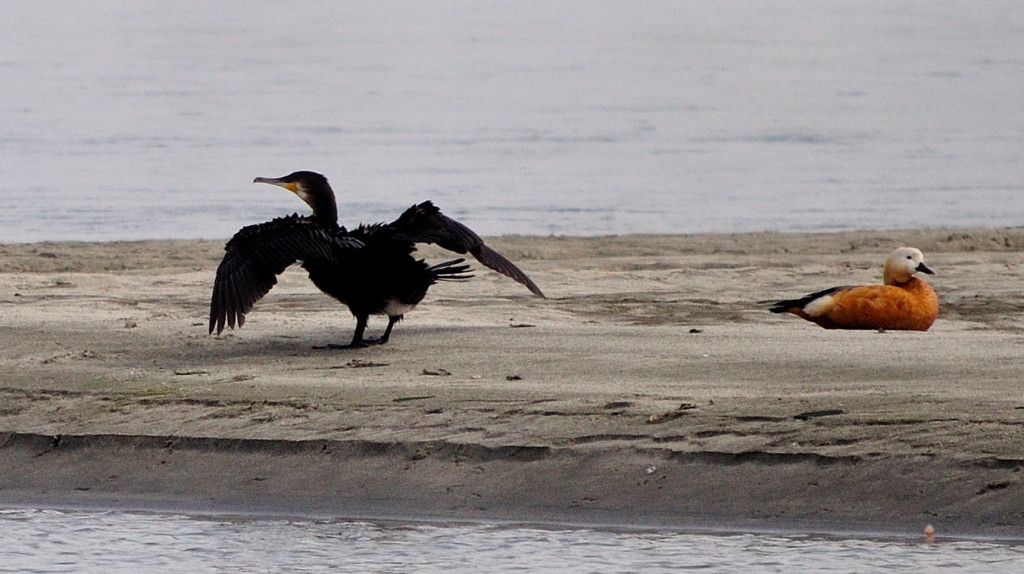
After that we returned to the resort for lunch and then took a slow boatride through the Maguri Beel. Spotted a few birds although a few weeks earlier would have been better for a larger variety of migratory birds (try to be here in December or early January).
Pangsau Pass Travel Guide
How to reach Pangsau Pass?
On Public Transport, it is not easy to get there. You may not even get a direct bus to the nearest town for Namping. If you must, you can find a bus from Tinsukia to Jagun and then look for another bus to reach Nampong via Jairampur. Still, you’ll have e to look for a local vehicle to get to the Pangsau Pass, which is further. Check this map to understand the route. Tinsukia-Digboi-Margherita-Jagun-Jairampur-Nampong is the most straightforward route.
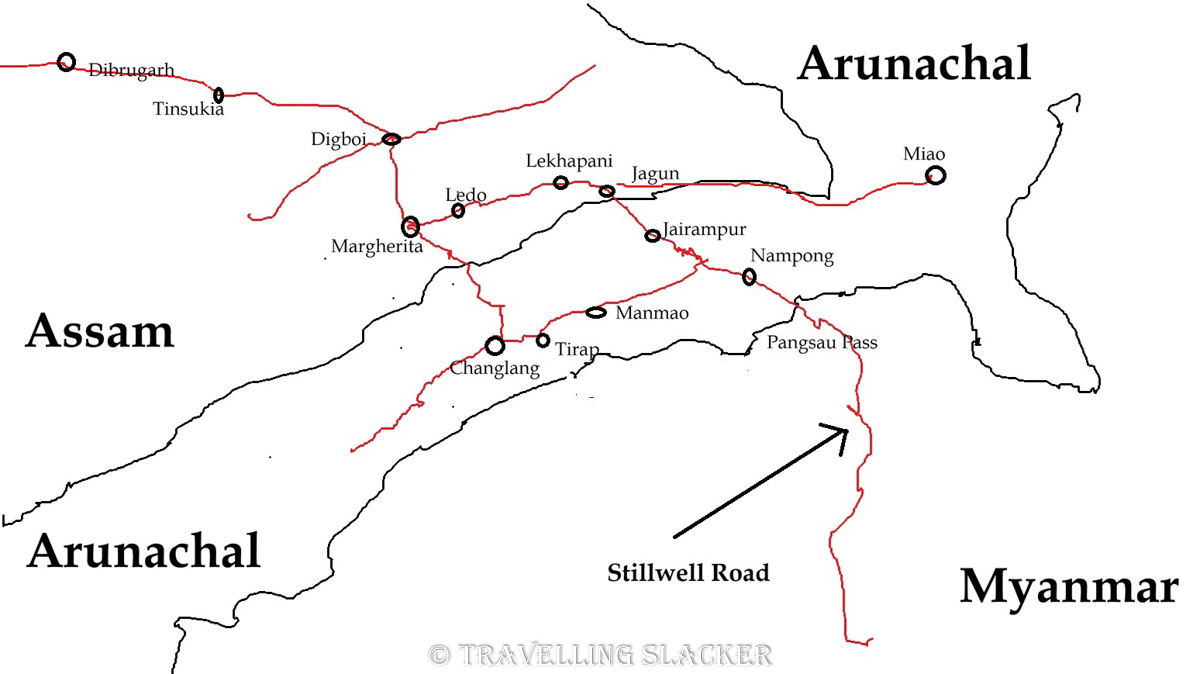
Although I love public transport, we did hire a vehicle for this trip due to logistical challenges. Hiring vehicles with drivers are expensive in NE nowadays and expect to pay around INR 5000-7000 per day. It is better for multiple people to team up for this.
What to see at Pangsau Pass?
The border market at the pass is the main attraction but it opens only one certain days (Usually 10th, 20th and 30th of every month). During the PPIF, it may be open for additional days. The Lake of No Return is on the Burmese side of the border but is visible from the market. So, you have to time your trip as per the festival for a good experience which usually happens in January.
Apart from these, you will come across the WWII Cemetery en route and you can also visit historical towns in Assam.
If you have time, you can always explore the Namdapha National Park. However, do note that it’s a different ballgame altogether, and you need to plan well for the same.
Who lives around Pangsau Pass ?
The primary ethnic group in this region are the Tangsas and their various sub-groups. However, you will also find Lisus (Yobins), and newly settled Gorkhas.
Where to Stay for a Pangsau trip?
Nampong is a very small town with limited options although during the festival aditional campsites are set up (Keep track of their official social media pages). Otherwise, you can stay in other towns nearby such as Miao or Changlang in Arunachal or even neighbouring towns of Assam like Margherita and Digboi.
Can we reach Lake of No Return?
You basically get a glimpse of the lake from one point of the border market. It is possible to hike down for a few hours from Burmese villages. However, these options are completely dependent on the prevailing law and order conditions. We didn’t see anyone offering that service (do note that you’ll need local help as there will be language issues on the other side of the border).
Phone and Data Connectivity
Data connectivity is usually good nowadays all over the region, although at the border market it may face some issues due to obvious reasons.

#Himalayas & #Northeast
Cinephile, Misanthrope, Anti-selfie
Atlas Obscura/Mint/Discover India
Myanmar has been on my radar for several years but the political situation has kept in me in two minds. Great read and thank you for the map. So much easier to navigate the geography with somebody’s prior experience.
True that.