A WanderOn trip to Leh Ladakh looks simple on maps until you actually start planning it. That’s when you realize the tourist circuits of Ladakh all feel completely different. The Manali route feels rough because the roads stay unpredictable for long stretches with water crossings, broken patches near Sarchu, sudden traffic near high passes, and freezing mornings where people warm their hands around roadside tea cups before getting back on bikes.
Sham Valley feels easier because the drives are shorter, the altitude changes are gentler, and villages like Alchi and Likir feel slower and more settled. You spend less time recovering from the roads and more time actually enjoying the places. Pangong gets extremely windy by evening because the lake sits wide open between mountains with almost no barriers around it. Meanwhile, Tso Moriri stays less crowded simply because it’s farther, quieter, and takes longer to reach.
The right Ladakh tourist circuit depends on how you actually want the trip to feel. Do you want it fast and adventurous, slow and peaceful, or somewhere in between? Honestly, Ladakh becomes much better once you stop trying to cover everything at once.
The Classic Leh Ladakh Tourist Circuit
- Leh to Nubra Valley
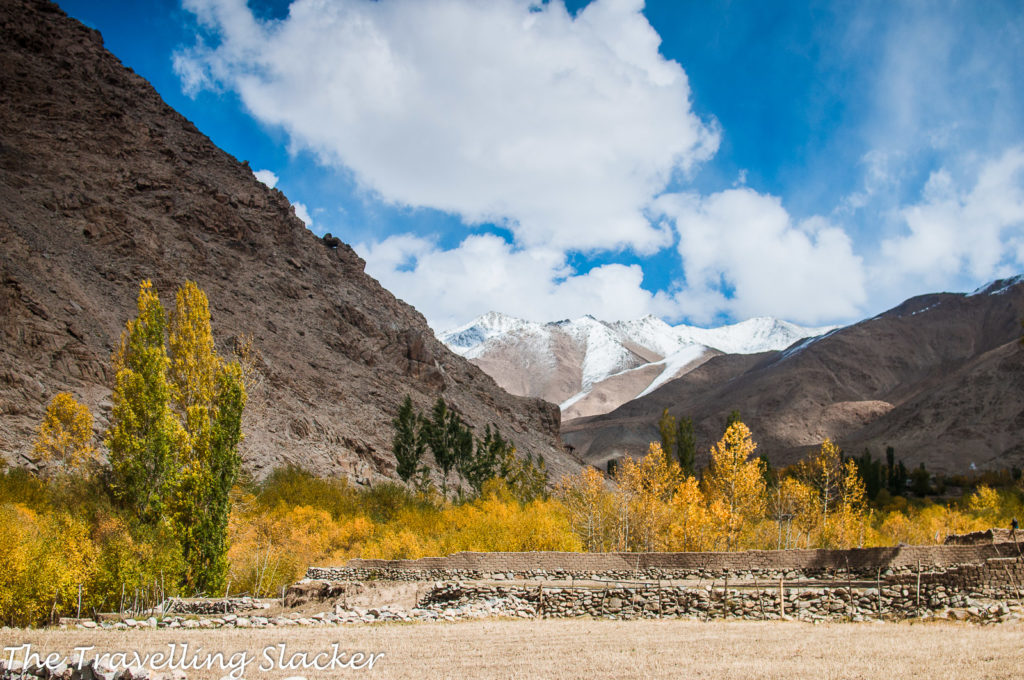
When you take the Leh Ladakh road trip circuit toward Nubra Valley, you’ll realise that the roads climb slowly through Khardung La Pass where snow sits piled beside the highway even in summer. Prayer flags snap loudly in the wind while you want to step out for quick photos before rushing back into warm cars. Hours later, Nubra feels softer somehow with sand dunes near Hunder, white poplar trees moving gently in the wind, and double-humped camels walking slowly against a backdrop of brown mountains.
- Leh to Pangong Lake
The road from Leh to Pangong Lake cos one of the tourist circuits of Ladakh that covers roughly 160 km and usually takes around 6 to 7 hours, depending on road conditions and weather. You’ll cross Chang La Pass, drive past tiny roadside tea stalls with plastic chairs facing the mountains, and pass streams flowing directly across the roads where drivers slow down carefully. There are long stretches where you barely see another vehicle for miles. Then Pangong appears suddenly. The lake looks unreal at first with bright blue under harsh sunlight, freezing wind blowing constantly across the water, and mountains reflecting differently every few minutes.
Leh Ladakh Road Trip Circuit for Adventure Lovers
- Manali to Leh Circuit
Among the best tourist circuits in Ladakh, the Manali to Leh route probably feels the most dramatic from the very beginning. The journey covers around 430 km and usually takes 2 days if you stop overnight in places like Jispa or Sarchu. Somewhere after Baralacha La, the roads start looking almost unreal with tiny cars moving through huge empty valleys while prayer flags flap wildly near roadside cafés serving instant noodles and overly sweet tea.
- Srinagar to Leh Circuit
The Srinagar to Leh tourist circuit of Ladakh feels slower and greener at first. Around 420 km long, this route usually takes 2 days too, passing Sonamarg, Drass, and Kargil before reaching Leh. You’ll notice army trucks constantly moving through narrow roads while tea stalls stay crowded near Zoji La Pass. It’s a bit chaotic in the evening, honestly. But the changing landscape keeps you staring out the window the entire time.
Best Tourist Circuits in Ladakh
- Tso Moriri Circuit
One of the best tourist circuits in Ladakh, the road to Tso Moriri covers around 220 km from Leh and usually takes 7 to 8 hours with breaks. The journey itself feels incredibly remote. You’ll see tiny tea stalls appear randomly beside dusty roads, army camps break the silence occasionally, and mountains keep changing colors depending on the sunlight. At roadside stalls near Chumathang, you’ll see travelers sitting wrapped in jackets holding hot tea while dusty vehicles line up outside. Then Tso Moriri arrives suddenly with dark blue water surrounded by dry mountains and barely another vehicle nearby.
- Sham Valley Circuit
The Sham Valley tourist circuit of Ladakh is much shorter, around 6 to 7 hours for the full route from Leh and back. Around 75 km from Leh, this route covers Alchi Monastery, Magnetic Hill, Sangam Point, and Gurudwara Pathar Sahib. You’ll probably stop more often than planned here. Small roadside cafés, apricot trees leaning over walls, and quieter roads make the entire day feel slower in a good way.
Adventure Activities Along the Tourist Circuits of Ladakh
- Biking Expeditions
You’ll keep spotting groups of riders stopping near mountain passes, helmets resting on fuel tanks while gloves dry in the sun. The Manali to Leh route especially feels made for long rides on rough roads, sudden river crossings, freezing mornings near Sarchu, and endless stretches where only the sound of bike engines breaks the silence.
- River Rafting
Rafting near Sangam changes the mood of the trip completely. One minute you’re driving through silent mountain roads, the next you’re bouncing through icy rapids surrounded by giant brown cliffs on both sides. The water is freezing. Your hands go numb faster than expected. By the end, people sit silently near parked rafts drying their sleeves in the sun while someone nearby orders another round of chai.
- Trekking
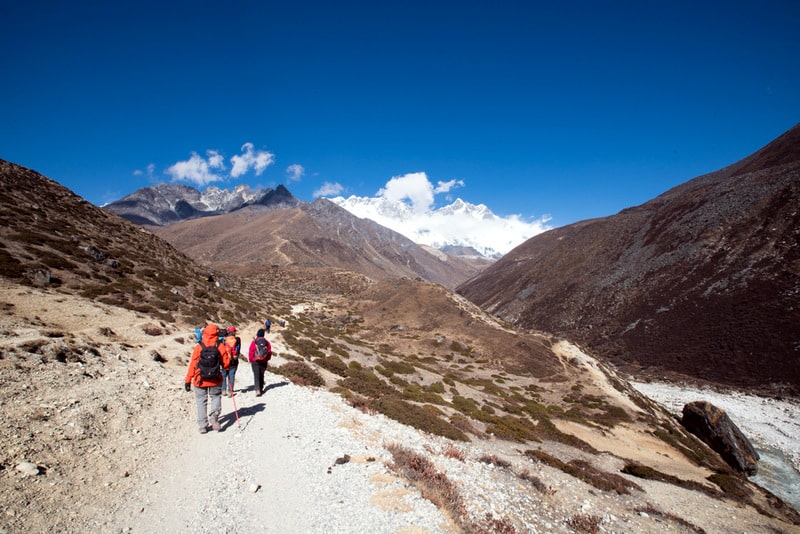
The trekking routes in Ladakh don’t feel dramatic all the time. Mostly it’s long quiet walks through valleys, old suspension bridges shaking slightly under your feet, and small monasteries appearing unexpectedly around turns in the trail to Sham Valley. Some parts of the Markha Valley trail feel completely silent except for river sounds and boots scraping against rocky paths.
Cultural Experiences Along the Ladakh Tourist Circuit
- Food exploration
Food becomes a surprisingly big part of the Ladakh tourist circuit once the cold weather settles in properly. After long drives, simple things start tasting better like hot bowls of thukpa in Leh Market, butter tea inside small cafés near monasteries, and steaming momos eaten quickly before they turn cold in the mountain air. You’ll notice travelers sitting close to heaters during dinner while gloves and scarves dry nearby after dusty road journeys.
- Festivals of Ladakh
If your Ladakh trip from Delhi overlaps with festivals like Hemis Festival or Losar, Ladakh feels completely different for a few days. Monasteries fill with locals wearing traditional clothes, drums echo through the courtyards, and masked dances continue for hours while tourists sit quietly along the edges trying to absorb everything. It’s a bit crowded during festival evenings, honestly, but the atmosphere feels unforgettable once the chanting begins.
Travel Tips for Exploring the Tourist Circuits of Ladakh
- Don’t try covering too many places too quickly in tourist circuits of Ladakh. The altitude drains your energy faster than expected, even during short walks in Leh Market. Spend at least a day resting after arrival before starting longer drives toward Nubra or Pangong.
- Keep extra layers in the car always. The weather changes suddenly here. Sunny afternoons can turn freezing by evening, especially near Pangong Lake or Khardung La Pass. Lip balm, sunscreen, and reusable water bottles become surprisingly important after a few days.
- Road journeys take longer than maps suggest. Your planned 5-hour drive can easily become 8 with landslides, tea stops, or slow traffic near mountain passes. Honestly, don’t build very tight schedules.
- And keep some cash with you. Small cafés, homestays, and roadside tea stalls in remote villages often don’t accept online payments properly.
Conclusion
By the end of your trip, you’ll probably stop remembering Ladakh only as lakes, passes, or tourist spots. What stays longer are the roads between them, like the cold tea breaks near mountain bends, silent stretches where nobody in the car speaks, and monastery bells somewhere far away during sunset.
That’s why choosing the right tourist circuits of Ladakh matters.

#Himalayas & #Northeast
Cinephile, Misanthrope, Anti-selfie
Atlas Obscura/Mint/Discover India