The World Cup turned North America into a huge travel destination for football fans. Supporters crossed borders to watch matches and explore major cities. The tournament also filled fan festivals and local attractions. Its travel impact reached far beyond the stadium gates.
Football Turned Matches Into International Travel Experiences
The World Cup brought together 48 teams across three host countries. Canada, Mexico, and the United States hosted 104 matches, while football data viewed during a trip through the 1xbet app could sit alongside schedules, results and other tournament information followed between host cities. Sixteen cities welcomed supporters during the tournament period.
That scale created a rare travel experience for international football followers. Supporters could build trips around several matches in different cities. Others chose one destination and explored its wider attractions.
The host cities offered very different settings for visiting supporters. Toronto and Vancouver provided Canadian city experiences alongside stadium events. Mexico City offered historic sights and a famous football atmosphere.
Miami and Los Angeles added beaches and major entertainment districts. This variety gave traveling fans plenty of choices between matches. Each destination brought a different side of North American culture.
Fan Festivals Became Major Travel Attractions
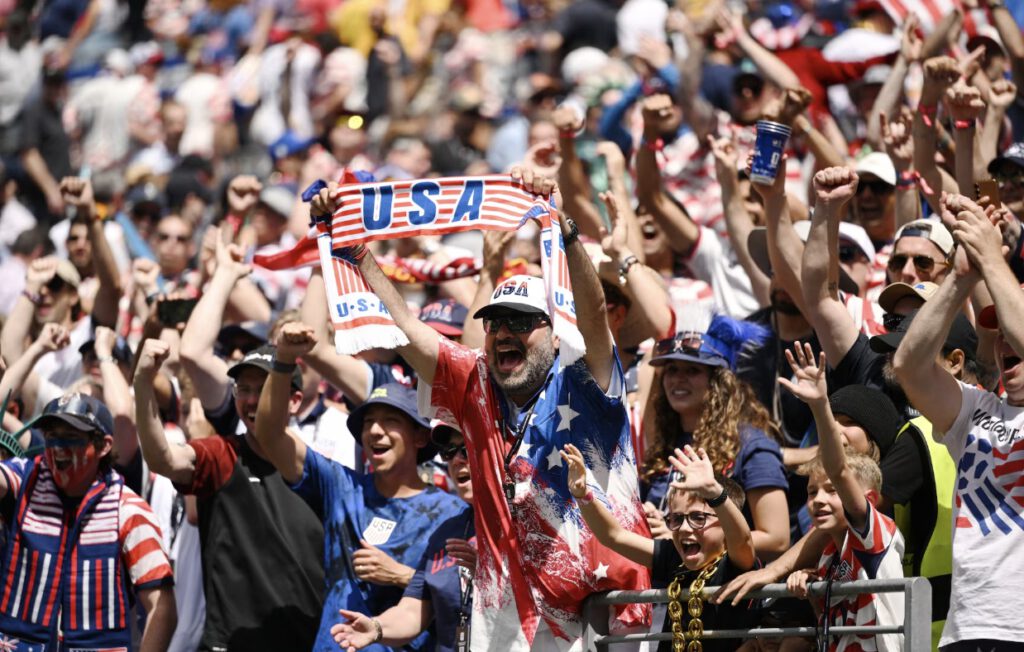
Fan festivals became important meeting points for international supporters. FIFA reported more than 9 million festival visitors across 13 cities. The total reached 9,017,000 people during the tournament period.
The festivals gave visitors another reason to spend time inside host cities. Fans could watch matches while enjoying music and local entertainment. These events also connected travelers with different communities.
Mexico City attracted especially large crowds throughout the competition. Its festival recorded 527,100 visitors during the opening stage. Monterrey welcomed 244,710 visitors during that same period.
Guadalajara recorded another 218,424 visitors during those early matches. These figures showed how sporting events can reshape city travel patterns. Visitors often stayed longer when several activities surrounded each match.
Planning Routes Became Part of the Sporting Experience
The three-country format changed how fans planned their journeys. Travelers needed to consider distance and flight connections carefully. They also needed enough time between matches and city changes.
A simple travel plan helped supporters make better use of their time. Choosing nearby match locations first could reduce unnecessary travel. Longer transfers worked better when fans added sightseeing days.
Useful planning points included:
- Check travel times between every selected host city.
- Leave extra time around match days and airport transfers.
- Compare hotels close to stadiums and central attractions.
- Reserve transport early when several cities appear together.
- Keep separate time for sightseeing and local events.
The size of North America made route planning especially important. A trip between eastern and western cities can cover thousands of miles. Fans following several matches needed to consider travel time carefully.
Air travel became central for supporters moving between distant host cities. Trains and local transport worked better for shorter regional journeys. Rental cars also suited travelers visiting several nearby destinations.
Betting Appeared Alongside the Wider Sports Travel Market
Betting also formed a small part of the wider football travel environment. Between matches and fan events, football statistics and market information remained part of the wider digital match experience, with an apk file for Android fitting into the range of mobile tools available during tournament travel. Sports coverage regularly discussed team form and tournament statistics.
The tournament produced 308 goals across 104 matches. That figure created plenty of statistical discussion throughout the competition. The average reached 2.96 goals per match.
Travelers interested in betting could follow match markets alongside sports coverage. However, betting remained one part of a much larger experience. The main travel appeal centered on matches and destinations.
The tournament’s record attendance provided another strong measure of interest. FIFA recorded 6,810,966 spectators across all 104 matches. Average attendance reached 65,490 people per game.
Stadiums reached 99.7 percent of available capacity. These figures place the event among the largest sporting travel occasions. They also show strong interest in watching football live.
North American Cities Gained A Powerful Travel Showcase
The tournament gave visitors reasons to discover places beyond football venues. Fans could combine matches with food districts and cultural attractions. Major cities also offered different experiences between scheduled games.
Mexico City stood out through its stadium history and huge crowds. The venue became the first stadium to host three World Cups. Five matches there attracted the tournament’s five largest attendances.
Each match reached the stadium’s 80,824 capacity. That achievement strengthened the city’s position within football tourism. Visitors could connect a major sporting event with local history.
Other cities offered their own distinct travel appeal throughout the tournament. Vancouver combined football with coastal scenery and urban attractions. Miami brought together football crowds with beaches and entertainment.

#Himalayas & #Northeast
Cinephile, Misanthrope, Anti-selfie
Atlas Obscura/Mint/Discover India