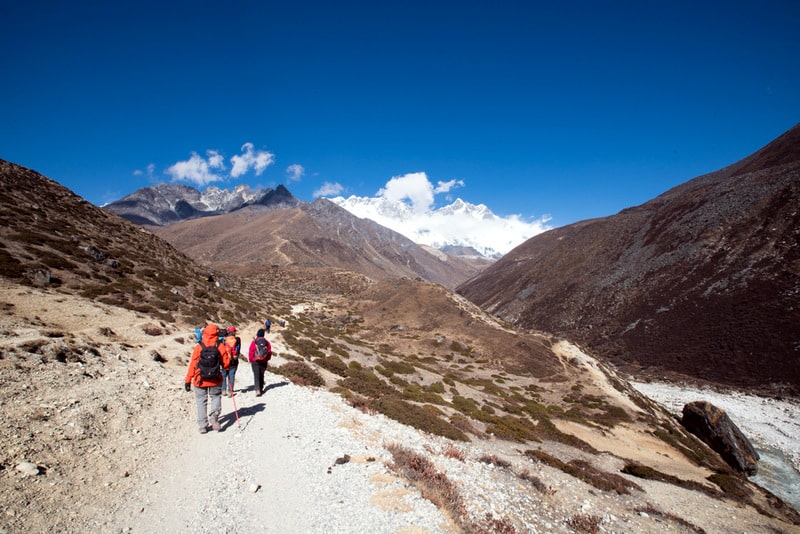

Travel blogging is not just about saying where you went or what you saw. The best travel blogs share your own stories in a way that helps others plan their trips. You can write about far-off villages in the Himalayas, cheap backpacking, old places, or quick weekend trips. If you keep posting often, your blog will show up online for people who truly care about traveling.
A good plan does not mean you have to make every trip into an ad. It is about making helpful stories, showing them in a good way, and making sure people who care can find them easily.
1. Create Content That Deserves to Be Shared
Before you start to think about how to share your trip tips, make sure your travel guide is really helpful. A guide that gives clear details about how to get there, what places cost, where to stay, local stories, ways to travel around, and real advice will give people much more value than just a list about a place.
Picture platforms can go along with this long-form style. They help people find your stories. Travel bloggers who want to get more Instagram views may visit https://blastup.com/buy-instagram-likes as part of a bigger social-media plan. It is good to make sure that what you do to promote your page still supports real photos, good info, and true travel moments.
2. Develop a Distinct Travel Niche
A clear niche helps readers see what your blog is about. If you try to write about every place, it can confuse people. It is better to focus on one style or area. This way, you can show that you know a lot about it.
For example, you might focus on:
- Budget-friendly solo travel
- Offbeat places to visit
- Trekking and adventure
- Heritage and history sites
- Responsible tourism
- Food and local culture
- Detailed travel guides by area
Having a set niche does not mean you can’t write about other things. It helps your blog have a clear look and feel. Over time, it also helps people see you as a lead voice in your field.
3. Turn Personal Experiences Into Useful Guides
People like to read stories, but they also want real-world info before they choose where to travel. A good way to give them what they need is to mix your own experience with clear tips they can use.
Instead of only saying that a trek is beautiful, talk about how people can get to the start. Share when the best time to go is. Tell what the ground is like. Say what people should take with them. Also, let them know what problems they might face on the way.
This turns your own travel story into something that people can really use when they plan a trip.
4. Invest in Better Travel Photography
Taking photos can really change the way you tell travel stories. You do not have to get costly gear. A careful setup, good light from nature, and looking at small things can help you get pictures that look good.
Try to take photos of more things, not just popular spots. You can look at local markets, road trips, buildings, views, food, people, and little things you see each day. These can help people feel what it is like to be there.
When you take photos of people, especially in villages or places where culture matters a lot, always think about if you should ask for permission. Good storytelling means you need to respect the people and their ways when you show their lives.
5. Make Search-Friendly Content Without Losing Your Voice
Search engines can help new people find your travel guides. But you should not let SEO make your text feel stiff or robotic.
Use clear titles, helpful headings, good subtopics, and simple keywords. Give answers to questions travellers may search for, like how to get to a place, the best time to go, how much it can cost, where you can stay, or what things to stay away from.
Long guides can be very helpful if they share new ideas. It is good when they do not just repeat things you can find on other sites.
6. Use Social Media as a Discovery Channel
Social media can go with a travel blog and not take its place. One article about a place can turn into many social posts. You can share a photo of the place, give a short travel tip, talk about the route, make a video, or post a set of pictures with things that people need to know.
The goal is to give people a reason to read the main article. A well-planned social presence can help support the bigger content group around a travel blog.
At the same time, travel bloggers do not have to follow every trend. Picking the platforms that fit their way of making content is often better in the long run than trying to be the same on every site.
7. Stay Authentic and Consistent
Travel readers can spot when something feels too much like an ad or if it does not feel true to life. Being real is very important for travel blogs that are not part of big companies. People often come back to read what the writer thinks about the place, not just facts about where to go.
It is also important to be regular. You do not need to post every day. A good plan that gives you time to do research, travel, take photos, edit, and check facts is better. This helps you make good content instead of rushing to make a lot at once.
Conclusion
Building a good travel blog is about more than just taking nice photos or making lists of places. A strong travel creator adds their own story and shares tips that help people. They pick a clear topic for the blog and work hard to write in a way people enjoy. They use social media to get new readers to look at their work. Some do this by sharing on their own, and some use tools like visit https://blastup.com/buy-instagram-likes. Travel blogs do well when more people see good and helpful travel posts. Over time, what keeps people coming back is when a travel blog is real, steady with updates, and brings readers value they can use.

#Himalayas & #Northeast
Cinephile, Misanthrope, Anti-selfie
Atlas Obscura/Mint/Discover India