Last year, Mark Sullivan, a freelance product designer from Oakland, realized he was working just to cover basic bills. His rent had jumped past $2,400, health insurance kept going up, and he was forced to take more tight-deadline jobs he didn’t even want. It stopped feeling like career progress, and he was working nonstop with nothing to show for it.
After talking to several other remote freelancers and some late-night budgeting, he booked a one-way flight to Goa. It wasn’t an attempt to escape his life or take a long break. He only wanted things to feel less financially stressful. He ended up staying there, working from a rented place near the beach and spending far less than he had back in the U.S.
Such situations happen more often these days. More American remote workers decide to relocate to places like Goa as a base, where income and spending align perfectly, with no pressure.
The Cost Pressure Driving Freelancers Out
Mark, just like many others, didn’t go to Goa only for its appeal and scenery. He needed to get away from the stress and pressure that became an integral part of life back home. In cities like San Francisco, Los Angeles, Seattle, and New York, freelancers deal with the same rising prices as everyone else — but without employer subsidies or predictable paychecks. Rent spikes always hit harder when income fluctuates, as you need a place to live.
While rethinking his options, Mark tracked his monthly baseline before leaving. And that’s how it looked:
- Rent: $2,450
- Utilities bills: $210
- Groceries and eating out: about $900
- Coworking space: $350
- Health insurance: $520
His basic monthly costs were already close to $4,400 — and that didn’t include taxes, travel, or any buffer for emergency expenses. It meant that any dip in work wasn’t inconvenient — it was a problem.
Goa seemed to offer a very different cost equation. A furnished one-bedroom apartment cost him around $650 a month. Utilities were modest, local food was inexpensive, and coworking memberships averaged around $120. Even adding private health insurance for international coverage, his regular spending dropped below $2,000.
Spending less didn’t just save money, but changed his overall workflow. He finally stopped taking every small project to make sure there was enough money to cover all the bills. Instead, he focused on long-term contracts that would pay more.
Why Goa Works for American Freelancers
There are plenty of places that are cheaper than California, but only a few combine low living costs with infrastructure suitable for full-time remote work.
Goa checks several boxes:
- Reliable internet in key areas: Fiber connections are common in neighborhoods filled with remote workers, and many coworking spaces offer backup lines.
- Expat and digital nomad communities: New arrivals don’t feel isolated like they did 10 years ago. Slack groups, WhatsApp chats, and meetups make it easy to find housing, advice, and social connections.
- English widely spoken: There is no steep language barrier present as in some other low-cost destinations, so you won’t be stressed about that.
- Comfortable time zone for U.S. clients: Working late afternoon through night in India aligns with American business hours, leaving mornings free.
Mark used that morning time for going to the gym, running on errands, or beach walks. He started work around 4 p.m., took a break for dinner, then finished by midnight. Basically, he didn’t have to change his schedule too much after relocation.
One of the biggest practical advantages was housing.
Accomodation
Mark had to spend several weeks in temporary stays before he actually managed to find the right place. Online ads were inconsistent, or some photos didn’t match reality.
That’s what Mark learned through his searching:
- Visit properties in person before any agreements
- Check the internet connection directly
- Confirm power backup systems
- Negotiate longer leases for lower rent
Finally, he found a quiet building popular with long-stay foreigners, not short-term tourists. It reduced noise and improved stability.
Day-to-day spending proved he made the right choice moving to Goa.
Daily Life Costs
Food became one of the biggest savings. Cooking at home was cheap, and local restaurants cost a fraction of what he used to pay in the U.S. He still spent on occasional Western groceries, but his monthly food budget fit well within $400.
Transportation was simple. He decided, as many advised him to, to rent a scooter, which cost less than his old monthly parking fee in Oakland.
Healthcare, known as a major concern for Americans given its prices in the U.S., turned out to be manageable. Private clinics were rather affordable, and international insurance covered serious concerns.
The Realities of Relocating
Despite seeming simplicity, the move itself wasn’t effortless or super cheap. He didn’t factor in upfront costs, and of course, they turned out higher than initially expected.
Most landlords required security deposits equal to two to six months of rent. Also, he needed to buy a proper desk and ergonomic chair to set up an apartment for long work sessions. Shipping specialized equipment from the U.S. didn’t make sense, so he repurchased locally.
Then, another issue popped up — delayed payments. A major client delayed an invoice settlement for four weeks, which made Mark rethink his expenses during his first weeks abroad. With security deposits, work equipment, and temporary housing all due at once, he had to compare ways to handle upfront moving expenses while keeping the rest of his budget under control.
The main idea is to use such last-resort options only for essentials, not for extras and not “just in case”. Without that discipline, the move could have put him in a worse position instead of giving him new start he wanted.
Professional Changes After the Move
Apart from the financial aspect, the professional was no less surprising.
Without constant pressure to make more money and take more projects, Mark’s performance was getting better. He stopped multitasking and started spending time developing his skills. Within months, he landed two regular clients, which provided stable income. As he explained, once survival stops being your main concern, you can finally think long-term.
Local remote-worker community helped make that shift even smoother. Instead of competing with locals for already hard-to-find jobs, most were working with clients abroad, so the atmosphere felt more collaborative. As a result, Mark partnered with a developer he met at the coworking event, which let them take on bigger projects together.
The Parts No One Talks About
Lower costs indeed solved many of Mark’s problems, but there was a different set of concerns he hadn’t even thought about.
Being so far from family was the most obvious one. Even though video calls did help, time-zone differences meant someone was always staying up late or waking up early. Holidays also felt different when they happened on an ordinary workday abroad.
Next, there was bureaucratic reality. Applying for an e-visa was the simplest part, as it was online. Then, extensions involved paperwork and waiting. Banking sometimes moved slower than he was used to, especially when sending international transfers or checking on payments from new clients.
Of course, none of that canceled out the benefits, but it showed him that moving to Goa was not a magic solution to make life easier. Once he decided to treat it like a fair trade — reducing financial strains while adding some hassle — his life became much easier.
Why More Freelancers Are Considering Places Like Goa
It was hard not to notice a steady stream of new arrivals over the following months. Those were not one-week tourists, but remote professionals testing whether the location could work for them too.
The logic behind their relocation was similar to Mark’s. Endlessly rising housing costs in U.S. cities had forced many independent workers to think carefully about where they need to live at all. Because many clients were already remote, where they lived became a financial decision rather than a professional necessity, something cloud-based tools made possible.
As most freelancers are paid in dollars, the math was very simple. Lower living expenses not only reduced the urgency to accept every project but also offered a stronger negotiation position. Several people Mark met had raised their rates after relocating because they were no longer desperate to fill gaps in their work schedules.
Control, Not Escape
Goa’s rise as a base for American freelancers is barely about beaches or lifestyle upgrades. It clearly shows a deeper shift in how independent work functions when location is no longer tied to income. For professionals like Mark, relocating wasn’t running from the U.S. economic environment but a way to regain a fraction of control over it. People can finally reduce fixed costs, so they make any career decisions based on strategy, not urgency to cover huge rent. As remote work continues to become more widespread, destinations that offer reliable infrastructure at lower living costs will keep attracting independent talent looking for stability without sacrificing opportunity.
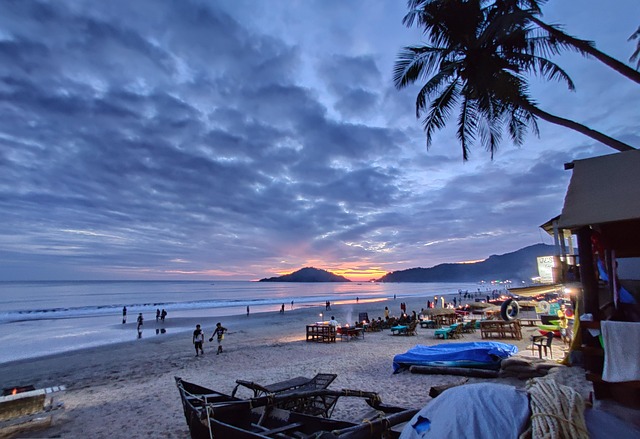
PC: G1_Naik/Pixabay

#Himalayas & #Northeast
Cinephile, Misanthrope, Anti-selfie
Atlas Obscura/Mint/Discover India