
The responsibilities tied to corporate travel management companies in India have shifted significantly over the years, moving far beyond simple booking and itinerary management. What was once a largely administrative role has now evolved into something far more strategic, where decisions directly influence company spending, employee satisfaction, and operational efficiency. Travel managers today are expected to juggle multiple priorities at once, often acting as the bridge between finance, HR, and employees on the move. This shift has made the role more demanding, but also more critical to how organizations function.
At the same time, the workload has grown heavier, with increasing pressure to manage costs effectively. According to GBTA survey insights, over 90% of travel managers cite cost control as their top concern, reflecting just how central financial oversight has become in this role. Beyond budgets, they are also dealing with policy compliance, vendor coordination, and unexpected disruptions, all while ensuring that employees have a smooth travel experience.
What a Corporate Travel Manager Actually Handles
If you look closely at the day-to-day work, it becomes clear that the role covers far more ground than most people assume. A travel manager is not just booking flights or hotels; they are setting travel policies, negotiating with vendors, and ensuring that every trip aligns with company goals. There is also a strong analytical side to the role, where tracking spending patterns and identifying areas of savings becomes part of the routine.
What makes this even more layered is the need to stay updated with constantly changing travel regulations and market conditions. Prices fluctuate, policies evolve, and employee expectations shift. Managing all of this requires not just attention to detail, but also the ability to adapt quickly without disrupting the overall travel program.
The Pressure Between Cost Control and Employee Experience
One of the more challenging aspects of this role is balancing cost efficiency with employee comfort. On one hand, companies expect tighter budgets and better savings. On the other, employees expect convenience, flexibility, and a certain level of comfort when they travel for work.
This often creates a tension that is not easy to resolve. Cutting costs too aggressively can lead to dissatisfaction, while prioritizing comfort without limits can quickly inflate budgets. Travel managers find themselves making constant trade-offs, trying to create policies that are fair, practical, and aligned with company priorities.
The situation becomes even more complex when dealing with frequent travellers, who often have strong preferences based on past experiences. Managing these expectations without breaking policy requires a thoughtful approach and, often, a bit of negotiation.
How Corporate Travel Companies Support or Complicate Things
Working with corporate travel companies can either simplify operations or add another layer of complexity, depending on how well the partnership is structured. These companies typically offer travel management systems, booking platforms, negotiated rates, and support services that can make travel management more efficient.
However, not all solutions are created equal. Some systems lack flexibility, forcing managers to work around limitations rather than benefiting from automation. In such cases, what was meant to save time can actually lead to additional manual effort.
The key lies in choosing partners that align with the company’s needs and provide tools that are easy to use. When done right, these partnerships can reduce workload significantly. When not, they can create bottlenecks that slow everything down.
Where Things Start Breaking Without Proper Tools
Without the right tools in place, even the most experienced travel manager can struggle to keep things running smoothly. Manual processes, scattered data, and disconnected systems often lead to inefficiencies that are hard to ignore.
For example, tracking expenses across multiple platforms can become a time-consuming task, especially when reports need to be compiled manually. Similarly, lack of visibility into bookings can make it difficult to enforce policies or identify areas where costs can be reduced.
Over time, these small inefficiencies start adding up, creating a system that feels chaotic rather than controlled. This not only impacts productivity but also increases the likelihood of errors, which can have financial implications.
The Need for Centralized Systems and Data
Centralization is no longer just a nice-to-have; it has become essential for effective travel management. Having all travel-related data in one place allows managers to make informed decisions quickly and confidently.
When systems are integrated, it becomes easier to track spending, monitor compliance, and generate insights that can drive improvements. It also reduces the need for repetitive tasks, freeing up time for more strategic work.
Another important aspect is transparency. With centralized data, both managers and employees have a clearer understanding of policies and spending, which helps in maintaining consistency across the organization.
How MyBiz Supports Travel Managers Efficiently
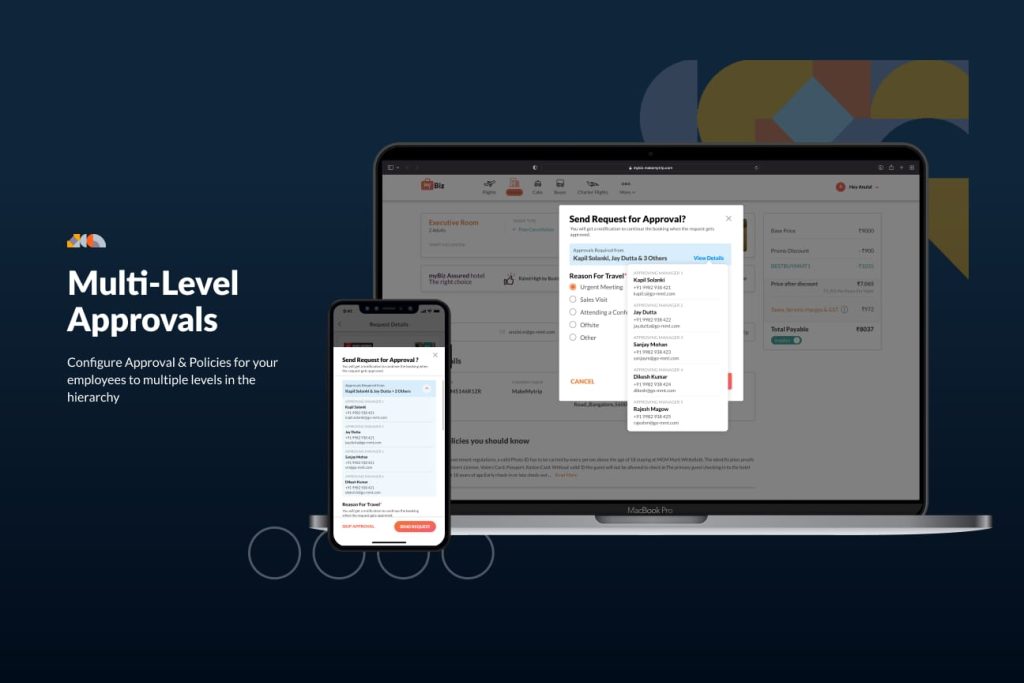
Platforms like MyBiz are designed to address many of the challenges that travel managers face today. By bringing bookings, expense tracking, and policy enforcement into a single system, it simplifies processes that would otherwise require multiple tools.
What stands out is the focus on usability. Instead of adding complexity, the platform aims to reduce friction, making it easier for managers to oversee operations without getting caught up in administrative tasks. This allows them to focus on strategy rather than just execution.
Additionally, features like real-time tracking and automated reporting help in maintaining better control over budgets. For companies looking to streamline their travel programs, such solutions can make a noticeable difference in both efficiency and outcomes.
Redefining the Role for the Future
As business travel continues to evolve, so will the role of the travel manager. The focus is likely to shift even more towards strategy, with greater emphasis on data-driven decision-making and employee experience.
Technology will play a major role in this transformation, but it will not replace the need for human judgment. Instead, it will act as a support system, enabling managers to work more effectively and make better decisions.
The future will likely see travel managers taking on a more advisory role within organizations, contributing to broader discussions around cost management, employee wellbeing, and operational efficiency. The role of a corporate travel manager has grown into something far more complex than it used to be, shaped by rising expectations and constant change. Managing costs, ensuring smooth travel experiences, and handling multiple systems at once is no small task. With the right tools and support, however, this complexity can be turned into an advantage, allowing travel managers to drive real value for their organizations.

#Himalayas & #Northeast
Cinephile, Misanthrope, Anti-selfie
Atlas Obscura/Mint/Discover India