
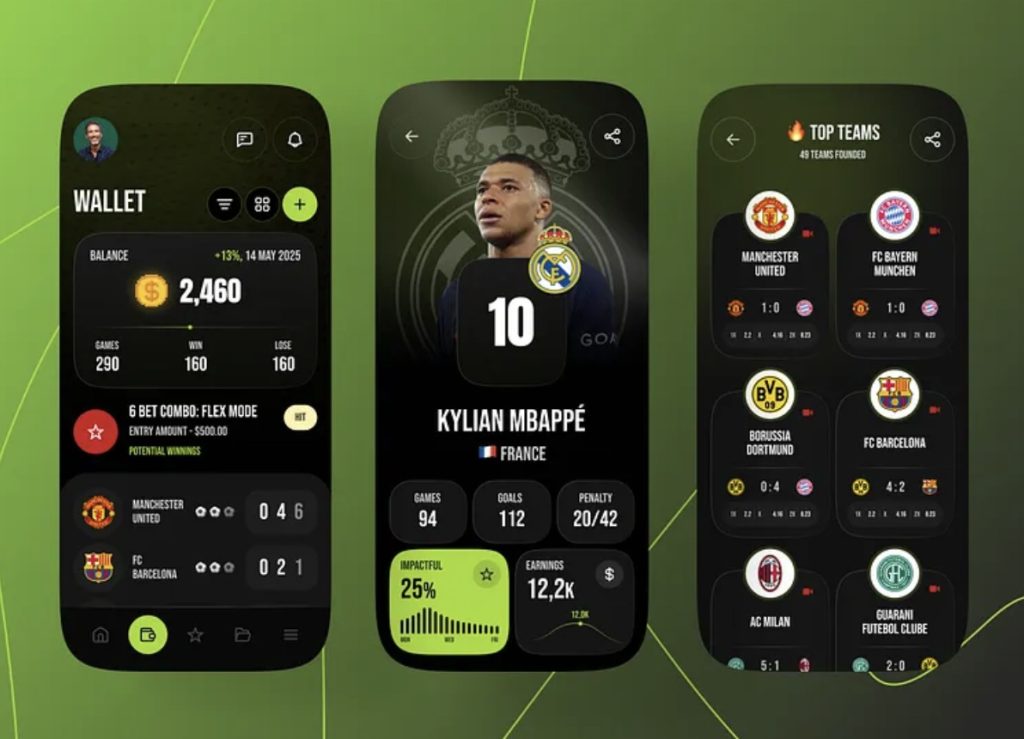
The way people place bets has evolved significantly over the past decade. What was once dominated by desktop gaming has shifted almost entirely toward mobile usage, as smartphones have become the primary tool for online entertainment and digital payments. Today, most bettors place wagers in real time — during live matches, while commuting, or from home — using mobile devices as their main gaming platform.
As this shift accelerated, gaming companies began developing two parallel mobile solutions: mobile-optimized websites and dedicated mobile applications. At first, mobile sites were enough to meet user demand. However, as expectations grew, apps quickly began to outperform browser-based platforms. Well-known bookmakers such as 1Win application illustrate this transition clearly, offering fully featured mobile apps that deliver faster access, smoother live gaming, and better overall usability than their mobile websites.
This change is not accidental. Mobile gaming apps provide technical, practical, and experiential advantages that mobile sites cannot fully replicate, particularly in areas such as performance, stability, personalization, and real-time interaction.
The Evolution of Mobile Gaming
In the early days of mobile gaming , websites adapted desktop layouts into smaller screens. These mobile sites allowed users to place basic bets, but performance and usability were often limited. Slow load times, browser crashes, and clunky navigation were common issues.
As smartphones became more powerful, user expectations increased. Gamers wanted faster access, smoother live gaming, real-time updates, and secure transactions. This demand led to the rise of native gaming apps, designed specifically for mobile operating systems such as Android and iOS.
Today, apps like 1Win application are no longer an extra feature — they are the core gaming platform for many users.
Performance and Speed: Apps Have the Edge
One of the most noticeable differences between mobile apps and mobile websites is performance.
Mobile gaming apps are installed directly on the device, which allows them to:
- Load faster
- Run more smoothly
- Handle live data more efficiently
Mobile websites rely on browsers, which add an extra layer between the user and the platform. Even well-optimized mobile sites cannot fully eliminate delays caused by browser rendering, caching limitations, or unstable connections.
For live gaming, where odds change every second, speed is critical. Apps refresh odds faster, reduce lag, and allow bettors to place wagers with greater confidence during live events.
User Experience and Navigation
User experience is one of the strongest arguments in favor of gaming apps. Mobile apps are designed specifically for touch interaction. Buttons, menus, and gestures are optimized for thumbs, making navigation more intuitive. Features like swipe gestures, quick bet slips, and one-tap confirmations significantly reduce friction.
Mobile websites, even when responsive, are still constrained by browser layouts. Menus may feel crowded, scrolling can be less precise, and switching between sections often takes longer.
Apps also remember user preferences more effectively, such as:
- Favorite sports and teams
- Gaming history
- Display settings
This personalization creates a smoother and more comfortable gaming environment.
Offline and Low-Connection Advantages
Another key advantage of apps is how they handle unstable or slow internet connections. While gaming itself requires an internet connection, apps can:
- Cache data more efficiently
- Resume sessions smoothly after connection drops
- Load interfaces faster even on weaker networks
Mobile sites are more likely to reload entire pages when the connection fluctuates, disrupting the gaming process. This is particularly important in regions where mobile internet quality varies.
Push Notifications and Real-Time Alerts
Push notifications are a major reason why many bettors prefer apps. Gaming apps can send instant alerts for:
- Live match starts
- Goal notifications
- Odds changes
- Cash-out opportunities
- Bonus offers
Mobile websites cannot deliver push notifications with the same reliability or immediacy. As a result, app users stay more engaged and informed without constantly checking the site.
For active bettors, this real-time communication provides a significant advantage.
Security and Data Protection
Security is a critical factor in online gaming, especially when handling personal data and financial transactions. Mobile apps benefit from:
- Device-level security features
- Biometric authentication (fingerprint or face recognition)
- Encrypted local storage
These features add extra layers of protection that mobile websites cannot fully replicate. While mobile sites rely primarily on browser security and SSL encryption, apps integrate directly with operating system security protocols.
This makes apps feel safer and more trustworthy, particularly for frequent transactions.
Faster Login and Authentication
Apps streamline the login process significantly, creating a frictionless user journey. Instead of the repetitive and cumbersome task of entering usernames and passwords on a mobile browser, apps leverage native device capabilities to offer a superior experience.
This includes:
- Biometric login: Utilizing fingerprint or face recognition for instant, secure access.
- Persistent sessions: Keeping users logged in for longer periods without sacrificing security.
- One-tap access: Opening the app takes users directly to the main interface, ready to act.
In contrast, mobile websites frequently log users out due to stringent browser security rules or cookie limitations. This adds unnecessary friction, particularly for active bettors who may want to place multiple wagers throughout the day. The faster a user can access their account and place a bet, the more convenient and enjoyable the gaming experience becomes.
App-Exclusive Features and Optimizations
To drive adoption and reward loyal users, many gaming platforms now reserve their most innovative features exclusively for their native apps. These exclusive functionalities create a premium experience that a mobile website often cannot match.
These app-only perks may include:
- App-only bonuses: Special promotions, free bets, and enhanced odds available only to app users.
- Enhanced live gaming tools: More responsive and feature-rich interfaces for in-play gaming, with lower latency.
- Advanced cash-out options: More sophisticated partial or auto cash-out features that provide greater control.
- Improved bet builders: Smoother, more intuitive tools for creating complex multi-leg bets.
Mobile sites typically receive these features later, if at all, and often in a simplified or less responsive form. As platforms increasingly prioritize a mobile-first strategy centered around their apps, this feature gap continues to widen, making the app the definitive destination for serious bettors.
Enhanced Stability and Reduced Errors
When it comes to long gaming sessions, mobile apps offer a significantly more stable and reliable experience compared to their website counterparts. Mobile websites are prone to a variety of issues that can disrupt your activity. For instance, an accidental swipe can lead to a page refresh, potentially losing your bet slip or your place in a live event. Browsers also have memory limitations that can cause slowdowns or crashes, especially if you have multiple tabs open. Conflicts between different browser tabs can also lead to unexpected behavior on the gaming site.
In contrast, native apps are designed to run in a self-contained, controlled environment on your device. This minimizes the risk of unexpected interruptions and errors. For bettors who are actively tracking multiple live events, managing several open bets, or placing wagers frequently, this enhanced stability is not just a convenience—it’s crucial for a seamless and frustration-free experience.
Stability and Reduced Errors
Native apps generally provide far greater stability, especially during long or intensive gaming sessions. Because an app runs in its own controlled, sandboxed environment, it is insulated from many of the issues that can plague a browser-based experience.
Mobile websites are more susceptible to performance-hampering issues like:
- Accidental refreshes: Swiping down or tapping the wrong button can cause the entire page to reload, potentially losing your bet slip or live stream.
- Browser memory limitations: Having multiple tabs open can slow down the browser and cause the gaming site to lag or crash.
- Conflicts with other open tabs: A poorly coded script on another website can interfere with the performance of the gaming site.
Apps run independently, which significantly reduces the risk of unexpected interruptions or crashes. This stability is particularly crucial for users who are tracking multiple live events, managing several open bets, or placing frequent in-play wagers where every second counts.
When Mobile Sites Still Make Sense
Despite the clear and compelling advantages of native apps, mobile websites still serve an important purpose in the online gaming ecosystem. They are not obsolete but rather cater to a different use case.
Mobile sites are particularly useful for:
- Quick access without installation: Ideal for a user who wants to place a one-off bet without committing to downloading an app.
- Users with limited storage space: For those whose devices are low on memory, a browser-based solution is the only option.
- Occasional or first-time bettors: Newcomers exploring a platform for the first time may prefer to use the mobile site before deciding to download the app.
However, it’s clear that for any form of regular or serious gaming activity, mobile sites often feel like a compromise rather than a complete, optimized solution. They lack the speed, security, and specialized features that define the superior experience of a native app.

#Himalayas & #Northeast
Cinephile, Misanthrope, Anti-selfie
Atlas Obscura/Mint/Discover India