
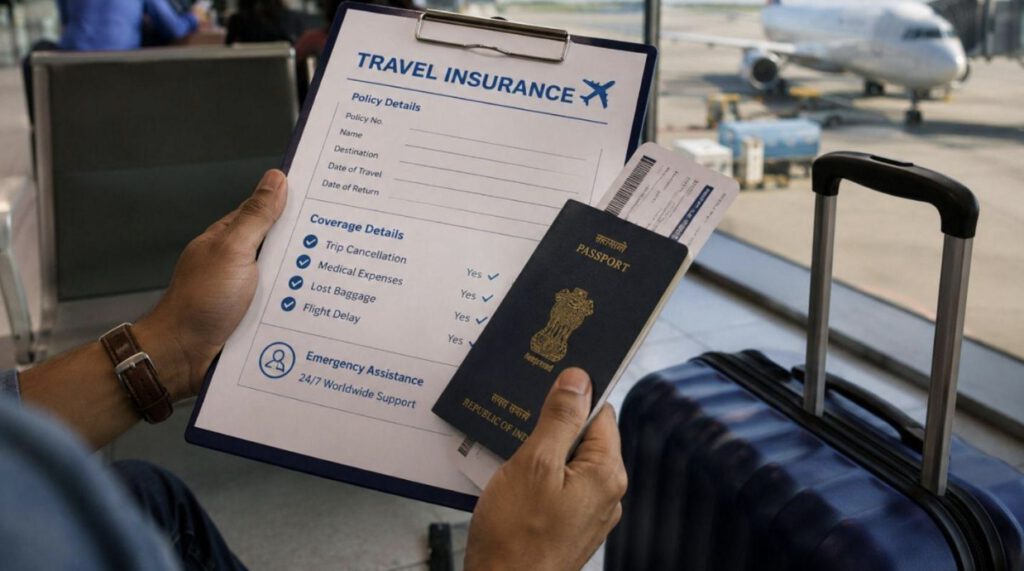
A medical emergency on the first day of an overseas trip can be unsettling, especially when hospital treatment is needed before you have settled in. Your priority should be getting medical care. Once the immediate situation is under control, check your policy details and contact the insurance assistance team.
A first-day hospital admission does not automatically decide whether a claim is payable. Coverage depends on the policy period, the medical situation, selected benefits and the terms that apply.
Medical Coverage Starts From Day One
A hospital admission on the first day of your trip may be considered under travel insurance when the policy is already active, and the medical event falls within its scope. The timing alone does not decide the claim. What matters is when the policy begins, why hospitalisation became necessary and whether the treatment meets the stated conditions for medical cover.
- Check the policy start date.
- Keep the admission record.
- Confirm the medical benefit.
- Follow the claim instructions in your policy.
Cashless Hospitalisation
Cashless hospitalisation can reduce the need to pay the entire hospital bill yourself at admission. This facility usually depends on the hospital network, the assistance provider and approval under the policy. The hospital may need to share medical details and treatment information before cashless arrangements are confirmed for the particular admission and proposed treatment involved.
- Ask whether the hospital supports cashless claims.
- Share your policy details.
- Let the hospital send required medical information.
- Keep copies of documents provided during admission.
Informing the Insurer
Contact the insurance assistance team as early as reasonably possible after an emergency admission. This helps them understand the situation, explain the next steps and tell you which documents may be required. For international travel insurance, contact details are usually available in the policy document, certificate or assistance information provided at purchase for use during an overseas emergency abroad.
- Give your policy number.
- Share the hospital name and location.
- Explain the reason for admission.
- Note any claim reference number provided.
Checking Policy Coverage
Before assuming every hospital expense will be payable, read the medical section of the policy. Policies can differ in benefits, limits, deductibles and claim requirements. Check how hospitalisation, emergency treatment, ambulance services or related medical expenses are described. This gives you a clearer idea of what documents and approvals may be needed for the specific treatment being received at admission.
- Read the medical benefits section.
- Check applicable limits.
- Review any stated deductible.
- Ask for clarification when a condition is unclear.
Paying Hospital Bills
If cashless treatment is unavailable or has not been approved, you may need to pay the hospital directly and later request reimbursement. In that situation, proper records become important. Ask the hospital for detailed bills, payment receipts, prescriptions, test reports, discharge papers and other documents connected with treatment and the reason for admission for any later reimbursement review process.
- Request itemised hospital bills.
- Keep original payment receipts.
- Collect prescriptions and investigation reports.
- Obtain the discharge summary before leaving the hospital.
Filing a Claim
A reimbursement claim normally requires a completed claim form along with medical and payment records. Submit the documents through the channel mentioned in the policy or advised by the claims team. Make sure the information in the form matches the hospital records, travel details and bills. Missing or unclear documents can lead to further queries during claim review by the team.
- Complete the claim form carefully.
- Attach requested medical records.
- Include bills and payment proof.
- Keep copies of everything submitted.
Claim Verification
After receiving the claim, the insurance provider or its authorised claims partner reviews the documents against the policy terms. They may verify the diagnosis, treatment, dates, bills and other information connected with the hospital stay. Additional documents or clarification may sometimes be requested before the review is completed and a decision is made for this particular medical claim.
- Respond to document requests promptly.
- Provide clear copies when asked.
- Keep claim-related communication safe.
- Share accurate information about the treatment received.
Claim Settlement
Once verification is complete, the claim is assessed according to the policy terms, medical coverage and supporting documents. In a cashless case, approved expenses may be handled directly with the hospital. In a reimbursement case, the approved amount is paid after processing. The final amount can depend on policy limits, deductibles and admissible expenses under the cover terms and conditions.
- Read the settlement communication carefully.
- Check which expenses were considered.
- Keep the final claim record.
- Ask for clarification if needed.
Conclusion
A hospital stay on the first day of an overseas trip can feel confusing, but the process becomes easier when you act in a clear order. Get medical care first, contact the assistance team, check your policy and preserve every relevant document. Whether the claim is handled on a cashless or reimbursement basis will depend on the circumstances and policy terms. Always rely on your own policy wording and official claim guidance before making assumptions about coverage or settlement later.

#Himalayas & #Northeast
Cinephile, Misanthrope, Anti-selfie
Atlas Obscura/Mint/Discover India