
Chicken is one of the most universal foods in the world. Whether grilled on a street cart, simmered in a family kitchen, or plated in a Michelin-starred restaurant, chicken appears in almost every cuisine and price range. Yet tourists often overlook how dramatically chicken prices vary across the food spectrum—from street food stalls to luxury dining experiences. For travellers curious about how poultry costs fluctuate globally, platforms like Chicken Rate reveal how local markets, supply chains, and demand influence chicken prices in real time.
This article explores why the same chicken can cost a few dollars at a street vendor and hundreds at a fine dining restaurant, uncovering the hidden economics behind poultry pricing in tourism and hospitality.
Why Chicken Prices Differ Across Dining Tiers
Chicken is a staple protein because it is affordable, versatile, and culturally adaptable. Almost every country has iconic chicken dishes, including fried chicken in the United States, tandoori chicken in India, yakitori in Japan, coq au vin in France, and chicken shawarma in the Middle East. For tourists, chicken-based dishes are familiar and comforting, making them a common choice when exploring new destinations. But the price of chicken-based meals can vary enormously depending on preparation, location, and service.
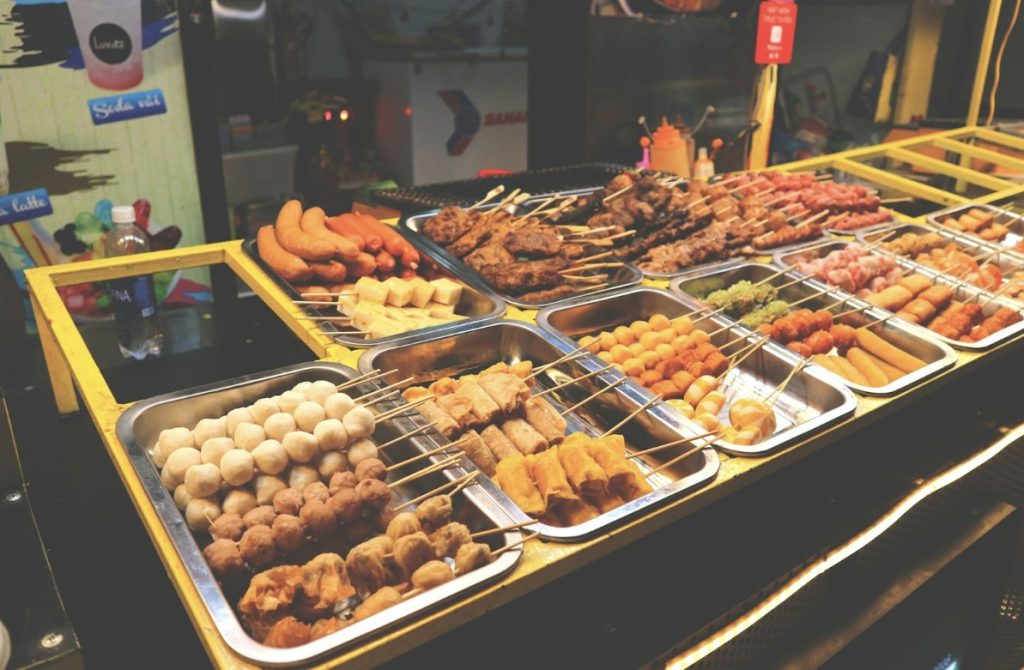
Street food vendors often represent the lowest end of the price spectrum. A grilled chicken skewer or fried chicken sandwich may cost just a few dollars. Vendors can keep costs low because they operate with minimal overhead, limited staff, and simple equipment. High turnover and locally sourced ingredients allow them to provide affordable meals quickly, catering to locals and budget-conscious travelers alike.
Casual dining restaurants charge significantly more, sometimes three to ten times the cost of street food. Higher prices reflect operating costs such as rent, staff wages, kitchen maintenance, utilities, and marketing. Even if the chicken itself is similar in quality to street food, the overall dining experience—including seating, ambiance, and service—justifies higher prices.
At the top end, fine dining restaurants can charge hundreds of dollars for a single chicken entrée. Premium ingredients, such as organic, free-range, or heritage breed chickens, drive costs up. Additionally, high-end chefs employ advanced cooking techniques like sous-vide or molecular gastronomy, turning simple poultry into a culinary experience. Presentation, multi-course menus, wine pairings, and the prestige associated with renowned chefs or Michelin stars further inflate prices.
Hidden Costs Behind Chicken Dishes
The raw cost of chicken often accounts for only a small fraction of a menu price. Other factors include supply chain and logistics expenses, labor, regulatory compliance, and location. Restaurants in tourist-heavy areas can charge premium prices due to convenience and demand, while menu prices also reflect cultural expectations and perceived value.
Even for casual dining, energy costs, kitchen equipment, and staff training contribute significantly. Fine dining establishments may spend years developing a dish’s concept and presentation, adding intellectual and creative value that customers pay for alongside the food itself.
Regional and Market Differences
Chicken prices are not uniform across regions. Developing countries generally offer lower prices due to reduced labor costs and local sourcing. In contrast, developed countries face higher wages, stricter regulations, and imported ingredients, pushing menu prices upward. Urban restaurants often charge more than rural establishments because of rent, convenience, and higher operating costs. Additionally, seasonal and market fluctuations, such as feed price changes, disease outbreaks, and climate events, impact prices in ways that tourists rarely notice. Platforms provide real-time updates to help track these fluctuations.
Psychology of Pricing in Tourism
Tourists’ perception of price often differs from that of locals. Several factors influence willingness to pay: novelty, experience, convenience, and perceived authenticity. A dish served with a scenic view or in a historic building often commands a higher price than the same meal eaten on a local street corner. Restaurants leverage these perceptions to price chicken dishes far above the cost of ingredients, creating a wide disparity between street food and fine dining.
Cultural Significance and Social Factors
Chicken dishes reflect more than taste—they can signify social and economic status. Street food represents affordability and cultural immersion, casual dining reflects comfort and convenience, and fine dining conveys luxury and prestige. By observing these pricing tiers, tourists can gain insights into local economies, hospitality practices, and cultural values that go beyond the plate.
Global Trends Affecting Chicken Prices
Several global trends influence the prices tourists pay:
- Sustainability and ethical farming: Organic and free-range chickens cost more to produce, which translates into higher menu prices.
- Food inflation and energy costs: Rising feed, fuel, and production expenses affect poultry prices worldwide.
- Culinary tourism and experience economy: Tourists pay for storytelling, chef interaction, and curated experiences as much as for the chicken itself.
These factors show that price differences are not arbitrary—they reflect global market dynamics, production costs, and the added value of dining experiences.
Conclusion
From street food stalls to fine dining restaurants, chicken travels a remarkable economic journey. While the raw ingredient may be similar, the final price reflects a complex mix of labor, branding, experience, location, and supply chain costs. Tourists often overlook these dynamics, focusing on taste, ambiance, and novelty.
However, chicken prices tell a broader story about local economies, cultural practices, and global market forces. Platforms highlight daily poultry price fluctuations, helping travelers and locals alike understand the economics behind the meals they enjoy. Next time you savor a chicken skewer on the street or a gourmet entrée in a luxury restaurant, remember: you’re paying for far more than just the chicken—you’re investing in culture, labor, and experience.

#Himalayas & #Northeast
Cinephile, Misanthrope, Anti-selfie
Atlas Obscura/Mint/Discover India