A new industry report examines the outlook for casinos and tourism in Australia, broken down by game types, venue formats (land-based and online), audience profiles, age groups, travel models, and the geography of demand. The material below summarizes the study’s key findings.
Australia’s casino and tourism market will grow to $761.48 million by 2032
In 2023, the market size was estimated at $411.84 million, and by 2032, according to the forecast, it will reach $761.48 million at a compound annual growth rate (CAGR) of 7.04% over 2024–2032. The key pillars of growth are the inflow of international tourists, the development of integrated resorts, and consistent improvements in the guest experience.
Key figures
- Market size in 2023: $411.84 million
- 2032 forecast: $761.48 million
- Compound annual growth rate: 7.04% (2024–2032)
- Main regions where demand is concentrated: New South Wales, Queensland, Victoria
- Regional shares: New South Wales accounts for 35%, Queensland holds 25%, Victoria maintains 20%
- Supply focus: integrated resorts, entertainment and services beyond gaming
Where and why the market is growing
Casinos and tourism have long been intertwined into a single industry in which travelers are looking not just for gaming floors, but for an end-to-end “premium” experience. Australia meets this demand with supply clustered around major tourism hubs.
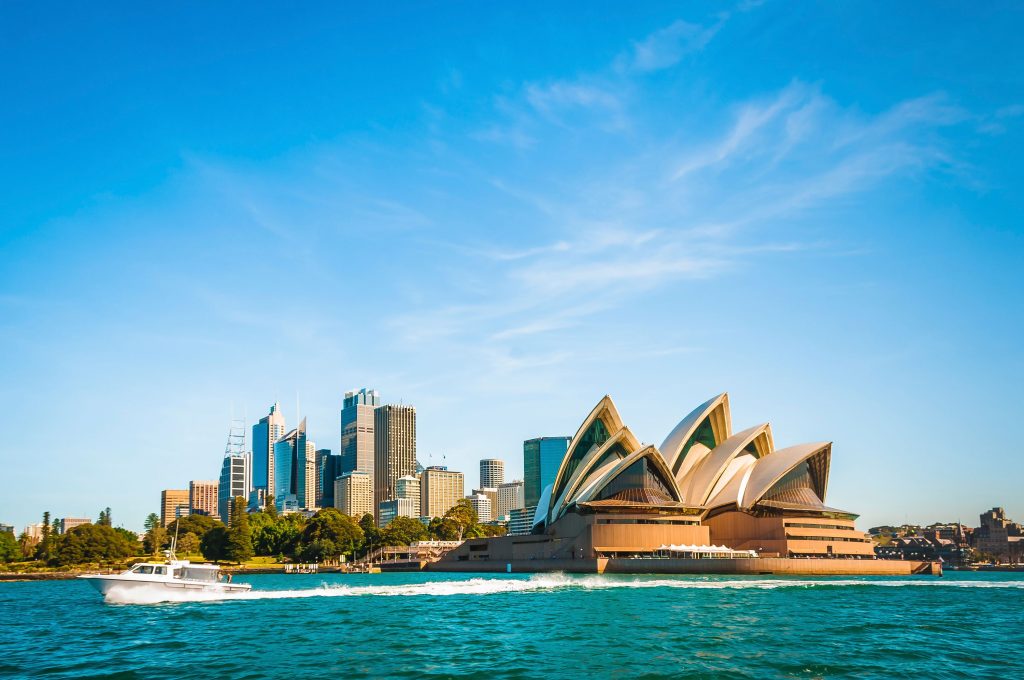
Sydney, Brisbane and the Gold Coast, and Melbourne form three poles of demand. Each city combines international recognition, a well-developed hospitality infrastructure, and large-scale entertainment complexes that attract both independent travelers and organized tour groups.
What is pushing the market up: four key demand drivers
More budget for leisure and travel. Rising spending on entertainment and tourism supports interest in bundled offerings: accommodation + gaming + shows + dining. Middle- and upper-income segments, as well as visitors from Asia-Pacific countries, readily choose Australian casinos and resorts as part of their vacation plans.
That said, it is worth considering the context: real disposable income within Australia itself has fallen by 5.5% since the beginning of 2022, the steepest drop in roughly three decades. This trend may reshape the structure of domestic spending; however, it does not negate the inflow of solvent international audiences, which casinos and tourism largely rely on.
A focus on integrated resorts. Complexes that combine gaming floors, hotels, dining, retail, and event venues create value that goes far beyond gambling. They encourage longer trips and repeat visits.
Government support for tourism. Promoting the country as a destination, partnerships with airlines, improvements to transport infrastructure, and streamlined visa procedures for key markets (primarily China and Southeast Asia) expand the inbound visitor pipeline.
Clear rules and safety measures. Strict oversight by federal and state regulators builds trust in Australian casinos. Enhanced hygiene and sanitation protocols introduced after the pandemic became an additional factor in restoring visitation.
Technology and “non-gaming” experiences as the main trends
- Immersive experiences: augmented reality (AR) and virtual reality (VR) are refreshing the land-based casino experience and attracting younger audiences
- Shift to cashless payments: digital wallets and cashless flows increase convenience and transaction speed
- Data-driven personalization: guest behavior data underpins targeted offers and loyalty programs
- Growing role of “non-gaming” revenue: spas, theaters, concerts, and shopping account for up to 60% of integrated resort revenues, according to the report
Barriers: regulation and competition from online gambling and betting
Strict and uneven rules across states create a compliance burden, restrict advertising, and carry risks of tax and licensing changes. At the same time, pressure from online gambling is increasing: mobile platforms offer a wide range of games and betting options, reducing footfall at land-based venues.
To retain audiences, land-based casinos have to invest in both physical infrastructure and digital solutions, straddling both environments.
At the same time, Australians themselves are choosing land-based casinos less and less often, preferring to play online. Attendance statistics for the largest complexes in Sydney and Melbourne over the past two years confirm this shift: the share of locals in overall traffic is declining, while the share of foreign guests is growing.
Industry analysts attribute this to the rapid development of the online segment, where new brands attract audiences with aggressive welcome offers. The rankings we reviewed while preparing this piece feature dozens of new operators. One such site compiles free-money offers from many platforms well known in Australia. The number of new brands in such roundups indirectly confirms the growth rate of the online direction.
Given this growth, it’s safe to say that virtual casinos have captured the attention of gambling enthusiasts. And this has made traditional land-based casinos less attractive to locals. As a result, land-based complexes are increasingly focusing specifically on international tourist flows, building their offering around experiences that cannot be replicated in a digital environment.
How the market is segmented
- By game type: 3 Card Poker, American Roulette, Blackjack, Casino Stud Poker, and others (including table and electronic formats); the breadth of the lineup serves profiles from beginners to high rollers
- By casino format: land-based commercial venues; “tribal” casinos (operated by Indigenous communities; with a cultural component); limited-stakes casinos; iGaming as a standalone consumption channel
- By audience: gambling enthusiasts, “social” visitors, occasional players, lottery-loyal customers, and others
- By age: 18–25, 25–35, 35–50, 50–65, 65+ (different expectations around service, technology, and the entertainment mix)
- By trip type: independent travelers, package tours, group tours, and others
Demand map: three leaders and “other regions”
New South Wales (35%). Sydney and a major casino complex located there form the core of demand. The combination of a metropolis, major attractions, and a premium entertainment offering makes the state the clear leader.
Queensland (25%). Brisbane and the Gold Coast build on beach destinations, resort infrastructure, and the “casino + vacation” format. The development of integrated properties strengthens the region’s position.
Victoria (20%). Melbourne attracts visitors with event tourism, cultural life, and large-scale entertainment infrastructure, the central element of which remains one of the largest complexes in the Southern Hemisphere.
Western Australia and other regions account for the remaining share and are viewed as areas of potential growth and investment interest.
Who makes money from casinos and tourism: three groups of players
- Casino and integrated resort operators. Crown Resorts, The Star Entertainment Group, SkyCity operate key properties and drawcards, including The Star Sydney, Crown Melbourne, The Star Gold Coast.
- Booking and review platforms. TripAdvisor, Expedia, Klook serve as channels for choosing, comparing, and purchasing casino and tourism products.
- Tour operators and package solutions. Thomas Cook, Kesari Tours, Australia Tour Packages act as providers of organized tours and bundled programs. Treasury Casino and Rocky Gap Resort appear in product lineups and roundups as examples of properties represented in the market.
How competition works and why the market is concentrated
Resort operators compete for tourists by expanding non-gaming services, improving accommodation quality, boosting event programming, and delivering premium guest experiences. Online platforms compete through storefronts, pricing, packages, and reviews, influencing how tourist flows are distributed. Tour operators compete with itineraries, included services, and all-inclusive offers for different segments.
Market concentration is assessed as moderately high: major brands and key complexes set service standards and the pace of investment.

#Himalayas & #Northeast
Cinephile, Misanthrope, Anti-selfie
Atlas Obscura/Mint/Discover India